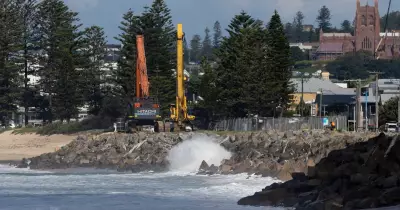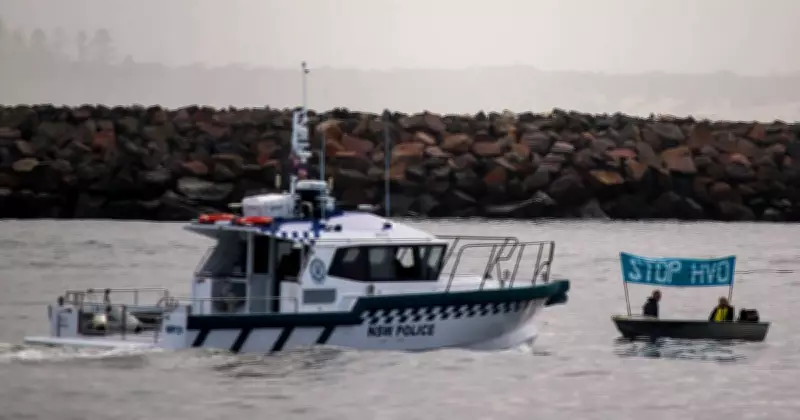
A rising tide has prevented two coal ships from entering the Port of Newcastle, causing delays in coal exports and raising concerns about climate change impacts on shipping. The incident occurred on Tuesday when unusually high water levels made it unsafe for the vessels to navigate the harbour channel.
Details of the Incident
The two ships, both carrying coal for export, were scheduled to enter the port but were forced to wait outside as the tide rose higher than expected. Port authorities confirmed that the vessels remained safely anchored offshore until conditions improved. The delay is expected to impact shipping schedules and coal supply chains.
Climate Change Concerns
Experts have linked the rising tide to climate change, which is causing sea levels to rise and increasing the frequency of extreme weather events. The Port of Newcastle, one of the world's largest coal export ports, is particularly vulnerable to such changes. Environmental groups have called for urgent action to reduce greenhouse gas emissions and transition to renewable energy sources.

Impact on Coal Industry
The delay in coal shipments highlights the growing challenges faced by the fossil fuel industry due to climate change. Australia is one of the world's largest coal exporters, and any disruption to shipping can have significant economic consequences. The incident has sparked debate about the long-term viability of coal exports in a warming world.
Port Authority Response
A spokesperson for the Port of Newcastle said that safety is the top priority and that all necessary precautions were taken to ensure the vessels and crew were safe. The port is monitoring weather conditions closely and will continue to operate as normal once the tide recedes. The two ships are expected to enter the port later this week.
Broader Implications
The event serves as a reminder of the urgent need to address climate change and its impacts on infrastructure and trade. As sea levels continue to rise, ports around the world may face similar disruptions, underscoring the importance of adaptation and mitigation strategies. The Australian government has been urged to accelerate its transition to a low-carbon economy to reduce the risks associated with climate change.