
Mother Killed in Record Flooding
A mother in Tennessee died after record-breaking rainfall triggered severe flooding across the state, according to local authorities. The victim, identified as 34-year-old Sarah Johnson, was swept away while trying to escape rising waters in her home in Waverly, about 60 miles west of Nashville. Her body was recovered on Tuesday, June 29, 2026, as rescue teams continued to search for other missing individuals.
Details of the Incident
The flooding began late Monday night after more than 10 inches of rain fell in a 12-hour period, overwhelming rivers and creeks. Johnson's home was among dozens inundated by flash floods. Neighbors reported hearing her calls for help, but the rapid rise of water prevented any rescue. "It was devastating. The water came up so fast, there was no time to react," said a neighbor, Mark Thompson, who witnessed the event.
Impact on the Community
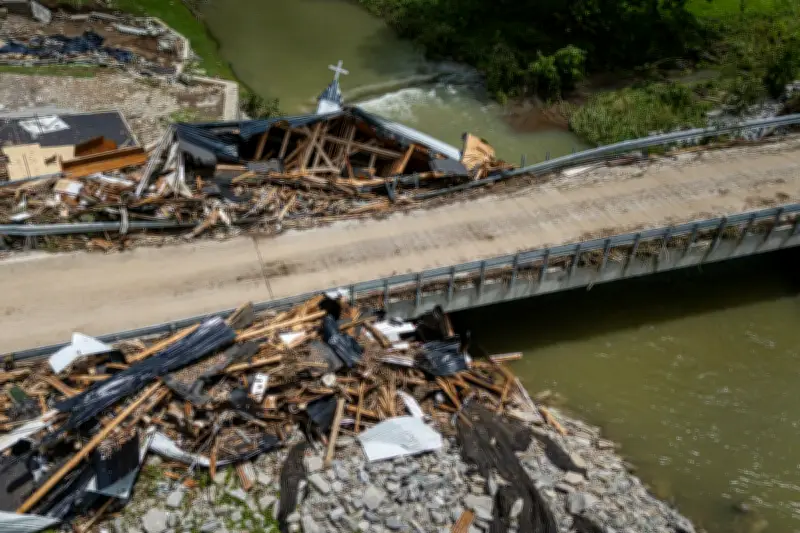
The floods have caused extensive damage in Humphreys County, with at least 50 homes destroyed and hundreds of residents displaced. Emergency services have conducted over 200 rescues, using boats and helicopters to reach stranded individuals. Governor Bill Lee declared a state of emergency, mobilizing National Guard troops to assist. "Our hearts go out to the Johnson family and all those affected by this tragedy," Lee said in a statement.

Rescue and Recovery Efforts
Search teams are still combing through debris for any additional victims or survivors. The National Weather Service reported that the rainfall event was a 1-in-1,000-year occurrence, shattering previous records. Officials urge residents to avoid travel in affected areas and to heed evacuation orders. The American Red Cross has set up shelters for displaced families.
Broader Implications
This disaster highlights the increasing frequency of extreme weather events linked to climate change. Tennessee has experienced several severe floods in recent years, prompting calls for improved infrastructure and early warning systems. Experts warn that such events may become more common, necessitating greater preparedness at both individual and governmental levels.