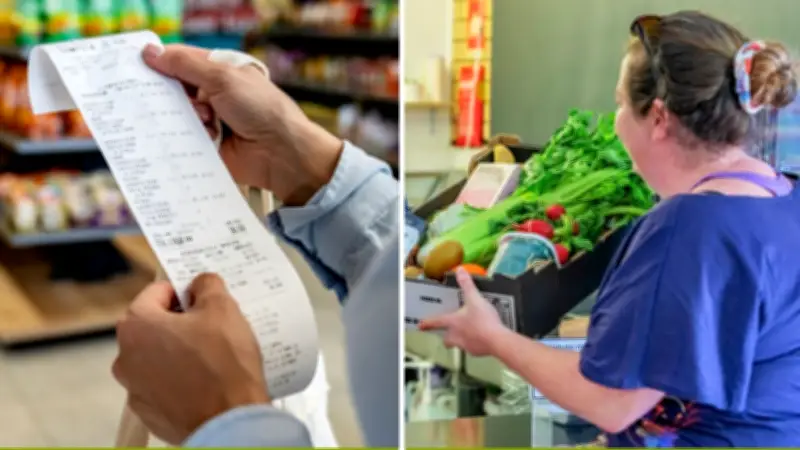
Hardworking Australians are feeling the pinch as winter sets in, with new data revealing a record number of families can no longer afford basic groceries. Leading food support charity OzHarvest found that more than a third of people seeking food relief are doing so for the very first time.
As stagnant wages, soaring housing costs, and energy bills swallow entire pay cheques, food is often the first thing families are forced to cut. The crisis has pushed a staggering 350,000 people to seek support from the charity every month. Yet nearly 74,000 people are being turned away because overstretched services simply do not have the resources to keep up with demand.
The rise of social supermarkets
In Sydney, the high cost of living means hardworking families are having to find new ways to put meals on the table. OzHarvest’s Waterloo Market operates as a free pop-up social supermarket where those in need can pick out their own fresh produce and pantry staples without having to pay a cent, unless they can afford a voluntary donation.

Mali Stachan-Brown, Community Programs Lead at Waterloo Market, told news.com.au that the frontline environment has completely shifted. “Right now, I’m seeing more families than ever coming through our doors,” she said. “It’s heartbreaking to meet people who have been stretching every dollar for months before finally asking for help.”
For customers like Jessica, a full-time worker and single mother, the market has become an essential lifeline. “It’s just me and three girls,” she told news.com.au, adding, “you do not know how much 10-year-olds eat. Everything is going up, every single bill you get. Although I work full time, it’s very, very difficult not having any other form of support.”
Food packages for those in need
The crisis is hitting suburban and regional hubs just as hard. According to Foodbank Australia, more than half of the population reported finding it tougher to afford basic groceries last month compared to the month before. The charity is now supplying a historically high 76,000 meals a day across the state.
To help families doing it tough, the organisation launched a contactless Emergency Food Hamper Drive-Thru at their warehouse in Altona, in Melbourne’s south-west, last month. Anyone experiencing food insecurity could drive up, pop their boot, and receive a free hamper of fresh produce and dry goods — no forms or questions asked.
Foodbank Victoria CEO Dave McNamara told news.com.au that economic pressures gave them no choice but to step in. “The pressure on households is unrelenting,” he said. “We’re seeing people who have never asked for help before. People working, raising families, doing everything they can, but still not able to keep up.”
While the drive-through was run to take immediate pressure off local families, Mr McNamara said they are prepared to step back in as winter deepens, noting they ran similar drive-throughs during the pandemic. “We’re aware of the fact that the fuel excise comes back into effect at the end of June,” he said. “We’ll just be responding to what the community needs.”
The need for systematic change
Despite these vital emergency measures, research shows Australia needs systemic change in how it addresses food scarcity. A global study by Flinders University’s Centre for Social Impact identified a necessary shift away from traditional emergency boxes and toward more permanent “social supermarkets”.
Lead research author Dr Diana Eyers-White told news.com.au that it’s not sustainable for people to rely on temporary handouts long-term. “Food insecurity is no longer a marginal issue,” she said. “We have found that it’s increasingly affecting working Australians, families with mortgages, and people who have never needed support before.”
Dr Eyers-White said social supermarkets allow users to choose their own food for a low, symbolic price in an environment that mimics an everyday grocery store rather than a welfare agency. “They offer people choice, dignity, and affordable food in a setting that feels like everyday life, not charity,” she said.

Crucially, the university research emphasises that the most successful services use food as a gateway to offer vital wraparound support services, including financial counselling, training, and employment advice. “This isn’t about replacing charities — it’s about evolving the system so people are supported in finding pathways out of food insecurity,” Dr Eyers-White said.