

The deadly H5N1 strain of bird flu has been detected in a second Australian state, South Australia, after earlier confirmation in Western Australia. Authorities have confirmed that three seabirds have died from the highly pathogenic avian influenza (HPAI) H5N1 virus. It remains unclear whether the virus has spread to other wildlife or livestock, but experts say it is a matter of when, not if.
Global Context and Risks
Globally, H5N1 has devastated wildlife populations since 2021, killing millions of wild birds, mammals, and poultry. The virus spreads through bodily fluids, contaminated environments, and scavenging on infected carcasses. It can also transmit between mammals and move across continents via migratory birds. In Australia, many endemic species lack immunity, making predictions difficult.
Threatened Species at Risk
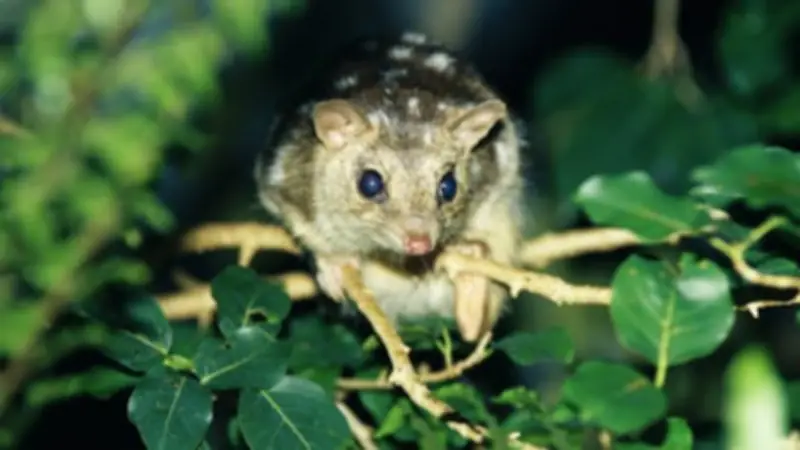
For threatened species, an H5N1 outbreak could be catastrophic. Mass mortality events could push already declining populations to extinction. Species like the regent honeyeater and orange-bellied parrot are at high risk, but mammals such as the platypus, rakali, and marsupials like Tasmanian devils and quolls are also vulnerable. Carnivorous and scavenging species face exposure through infected carcasses. Coastal species like mainland eastern barred bandicoots and quokkas are particularly at risk. Black swans, which lack genetic resistance, are highly susceptible.

Ecosystem Disruption
Beyond individual species, H5N1 could disrupt ecosystems. A die-off of predators like dingoes could lead to prey population surges, causing overgrazing and habitat degradation. In waterways, mass bird deaths could pollute water with nutrients, reducing oxygen levels and causing fish kills.
Preparedness and Response
The Australian government has invested A$113 million to bolster its H5N1 response, including disease surveillance, invasive species control, captive breeding, and wildlife health monitoring. Individuals can help by reporting sick or dead animals to the Emergency Animal Disease hotline (1800 675 888) or Wildlife Health Australia, avoiding contact with wildlife, practicing hygiene when feeding birds, and keeping pets away from wildlife and carcasses.
The arrival of H5N1 is not cause for panic, but vigilance is crucial to protect Australia's most vulnerable species.