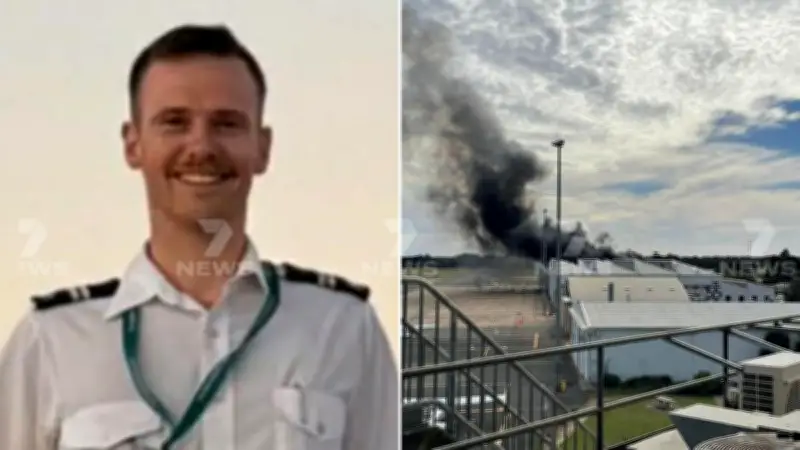
The Australian Transport Safety Bureau (ATSB) has identified a fatigued nose landing gear actuator rod as the key factor in a deadly crash at Parafield Airport in Adelaide on April 29. The training flight, carrying instructor Robert Hoyle, 29, and a 24-year-old student, crashed seconds after take-off, killing both and injuring nine people on the ground.
Failure of nose landing gear actuator rod
The ATSB's preliminary report found that the nose landing gear actuator rod failed shortly after take-off, leaving the nose gear stuck down and potentially interfering with the aircraft's rudder controls. ATSB Chief Commissioner Angus Mitchell said the failure was consistent with “fatigue” cracking, with further analysis underway to determine the full extent of the defect. “The failure of a nose landing gear actuator rod, as was found in this accident, is known to have caused in-flight controllability issues with this aircraft type in the past,” he said.
Sequence of events
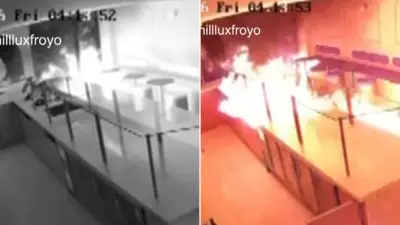
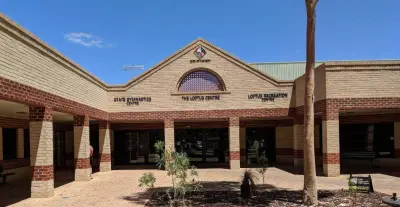
CCTV footage showed the Diamond DA42 lifting off, drifting left, correcting, then drifting left again as the main landing gear retracted but the nose gear remained extended. About 27 seconds after take-off, at just 115 feet, the instructor made a brief radio call: “engine failure”. There were no further calls. Moments later, the aircraft pitched up, rolled left and plunged into a flying school classroom and hangar.

Previous safety issues
The aircraft manufacturer had previously issued safety bulletins after other actuator-rod fractures, including one case where the broken part forced the rudder into an uncommanded left turn. In that incident, the pilot regained control only after re-extending the landing gear. Mitchell said the Parafield investigation remains in its early stages, with engine teardown inspections still to come. “We need to follow our evidence examination and analysis processes to determine all of the factors that contributed to this tragic accident,” he said.
Impact and witness account
The crash killed Hoyle, a commercial pilot for more than a decade, and his student. Hoyle's father Scott told 7NEWS his son was “respected and admired by his peers and students”. Nine people on the ground were hospitalised, most suffering burns or smoke inhalation. A witness said the aircraft missed the airport's main fuel depot by about 50 metres — a near-miss that could have made the disaster far worse. “It just disappeared into the hangar… it was so quiet and then there was a bang,” they said.
Safety advisory issued
The ATSB has issued a safety advisory to DA42 operators, warning of the increased risk of control issues on take-off.