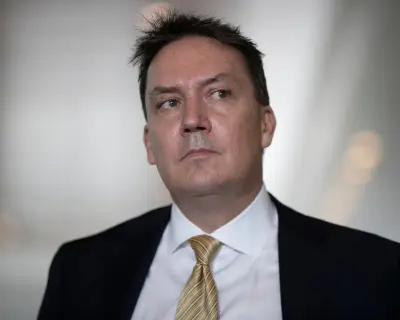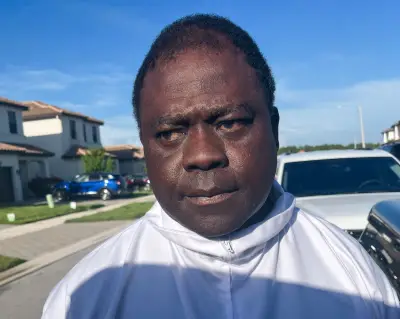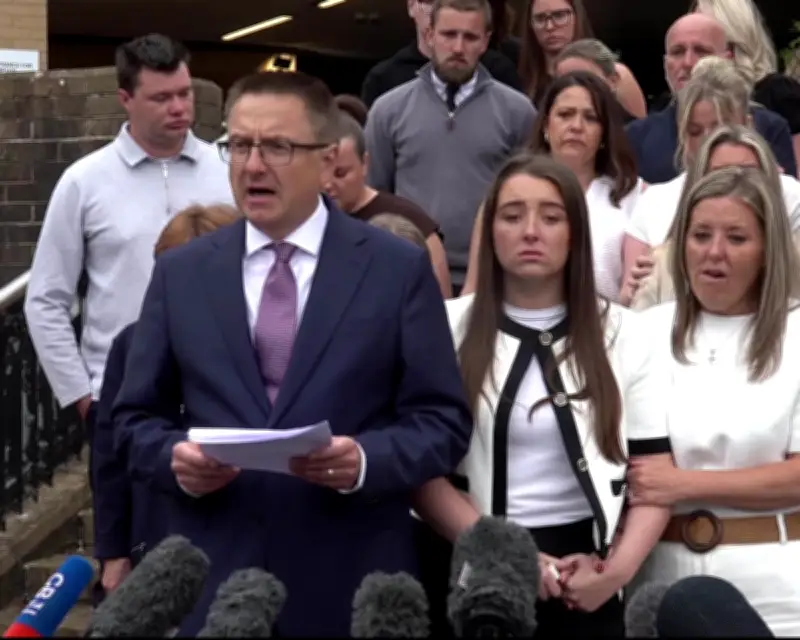
The father of Henry Nowak, Mark Nowak, spoke to the media outside Southampton Crown Court after Vickrum Digwa was sentenced to life imprisonment for murdering his son. The case has drawn international attention, including a rare intervention by the US State Department.
Who Was Henry Nowak and What Happened?
Henry Nowak, 18, from Chafford Hundred in Essex, was a first-year accountancy and finance student at the University of Southampton. On the night of 3 December 2025, he had been out with football teammates in Southampton. While walking home alone around 11:30 pm, he encountered Vickrum Digwa, 23. Digwa stabbed Nowak with a ceremonial knife carried as part of his Sikh faith. The judge noted that the exact events were witnessed only by the two men, but concluded that Digwa deliberately stabbed Nowak. After the attack, Digwa's brother falsely claimed to police that he and his brother had been subjected to a racially-motivated attack by Nowak. Police initially arrested and handcuffed Nowak as he lay dying.
Reaction to the Case
After Digwa was jailed, Mark Nowak condemned the police's treatment of his son as 'inhumane and degrading' but urged that his son's death not be used to create division. However, high-profile right-wing figures, including Elon Musk and Reform UK leader Nigel Farage, seized on the case. Musk posted claims of official police racism against whites, while Farage alleged 'two-tier policing'. UK Prime Minister Keir Starmer rejected these claims, accusing Musk and Farage of exploiting a tragic death to stoke division.

What Is 'Two-Tier Policing'?
The term refers to the idea that some groups or incidents are policed more harshly than others. It is a claim pushed by far-right figures who argue that official policies are biased against white people. The accusation gained prominence in 2024 after the Southport murders, when far-right riots were met with a robust police response, which critics deemed disproportionate compared to responses to Black Lives Matter or pro-Palestine protests. The UK government rejects these claims, noting research showing black people are 48 times more likely to be stopped and searched in parts of London than white counterparts. Race and policing have a controversial history in England, dating back to the Stephen Lawrence murder inquiry, which found the Metropolitan Police to be 'institutionally racist'.
Criticisms and Actions
Critics have focused on a National Police Chiefs' Council document, the police anti-racism commitment, which states: 'It does not mean treating everyone the same or being colour blind.' Calls for its review have emerged. The Independent Office for Police Conduct is investigating the handling of Nowak's arrest, with a report expected in three months.