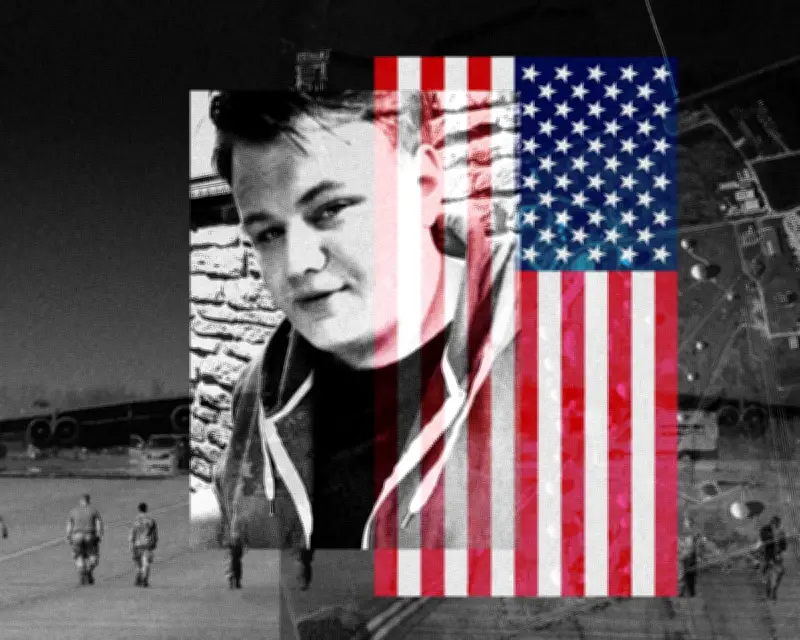
The tragic death of Harry Dunn, a 19-year-old motorcyclist killed in a car crash in Northamptonshire in August 2019, has been the subject of intense scrutiny. The driver, Anne Sacoolas, was a US military worker stationed at RAF Croughton. Contrary to some speculative reports, there is no evidence that Sacoolas was involved in espionage or intelligence activities. The incident was a tragic road accident, not a covert operation.
The crash and its aftermath
Harry Dunn was riding his motorcycle when his vehicle collided with a car driven by Sacoolas outside RAF Croughton. Sacoolas, who was driving on the wrong side of the road, fled the scene shortly after. She later claimed diplomatic immunity and returned to the United States, sparking a diplomatic row between the UK and US. The Dunn family has campaigned tirelessly for justice, seeking extradition of Sacoolas to face charges in the UK.
No evidence of spying
Some media outlets have suggested that Sacoolas might have been involved in intelligence work due to her role at the base. However, according to multiple sources familiar with the matter, Sacoolas was a civilian employee of the US military, not a spy. The base at RAF Croughton is a communications facility, but Sacoolas's role was administrative. The focus on spying distracts from the core issue: the need for accountability in a tragic loss of life.

Impact on UK-US relations
The case has strained diplomatic relations, with the UK government pressing for Sacoolas's return. The US has declined extradition, leading to calls for changes in diplomatic immunity rules. The Dunn family's fight has highlighted the perceived injustice when foreign nationals involved in fatal accidents evade legal consequences. According to Harry Dunn's mother, Charlotte Charles, "We just want justice for Harry. That is all we have ever wanted."
Legal and political developments
In 2022, a US judge ruled that Sacoolas could not be extradited, citing the terms of the UK-US extradition treaty. The UK government expressed disappointment but has continued to support the family. The case has prompted discussions about reforming diplomatic immunity, particularly for non-diplomatic staff. As of 2026, the Dunn family remains committed to pursuing justice through all available legal avenues.