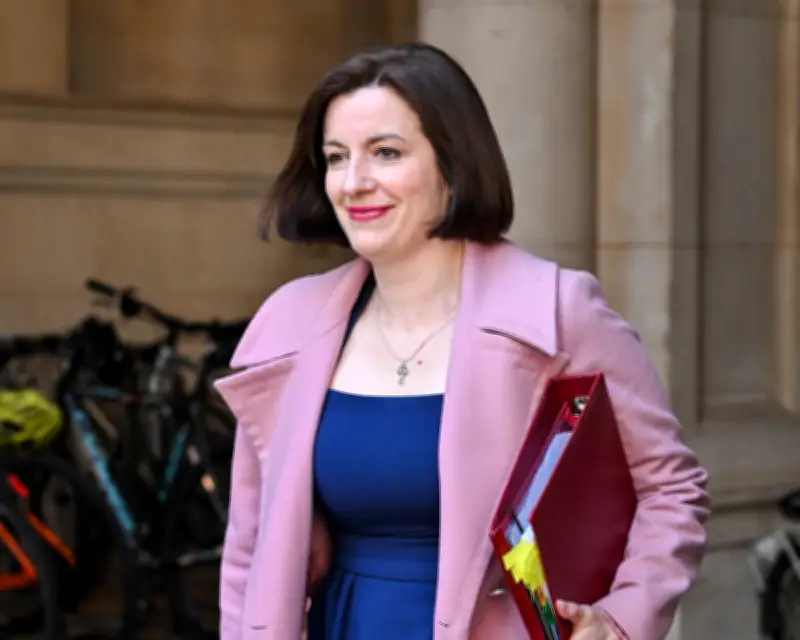
The era of academy school leaders in England receiving “banker-style salaries” and hefty annual increases may soon be over, with the government set to introduce limits on executive pay. Education Secretary Bridget Phillipson is expected to announce a cap of £174,000 on academy trust executive salaries, with government approval required to advertise pay packages above that amount. Future pay increases will be limited to the same annual awards agreed for teachers.
High Earners Under Scrutiny
Nearly 100 academy chief executives earn more than £200,000 a year, with pay in academy trusts ranging from less than £5 per pupil to over £150. Only a quarter of the high-earners were women. A recent survey by Schools Week found that Dan Moynihan, chief executive of the Harris Federation which runs 55 academies, was the highest paid with a salary of £530,000 last year. Other high-earners include Dayo Olukoshi, executive principal of Brampton Manor trust, with a salary of £350,000 after a £20,000 pay rise.
Government's Stance on Fairness
Phillipson is expected to require trusts running academy schools, including multi-academy trusts (Mats), to follow executive pay rules similar to those used in the NHS and further education colleges. A government source stated: “This is a straightforward matter of fairness, for both the taxpayer and teachers. Academy trusts are doing brilliant work for millions of children. But we simply cannot have double-figure pay rises on top of six-figure salaries. These are salaries paid for by the taxpayer, and excessive rates risk diverting funding from frontline teaching.”

Background and Union Reactions
The move follows the government's February schools white paper, which aimed to tackle “unjustifiable” executive pay. Around one in four academy trust chief executives received a pay rise greater than that given to classroom teachers in 2024-25, many receiving double-digit increases. A Labour source commented: “Many academies are doing great things and we continue to back them. But with freedom comes responsibility, and on executive pay, this has not always been exercised in the sensible way the public would expect. Admirably, the Tories recognised this was a problem, but their voluntary approach didn’t work, and six-figure salaries have soared in recent years. That’s why we’ll now be treating executive salaries in school trusts no differently from the rest of the public sector, making sure they’re a fair and accountable use of taxpayer cash.”
Impact on Schools and Teacher Pay
Nearly 90% of secondary schools in England are academies, but the £174,000 cap will not affect the majority of trusts, which pay salaries closer to those of secondary-school heads. Schools Week analysis found that chief executive pay in more than 1,000 trusts averaged £142,000 a year. The move is likely to be applauded by teaching unions, with the National Education Union stating there was no justification for inflated CEO salaries. The announcement is expected on Wednesday, followed by the annual pay recommendation for teachers from the government’s independent review body. The Department for Education recommended a 6.5% teacher pay rise spread over three years from 2026-27, but unions are concerned schools may not receive additional funding to cover the increases.