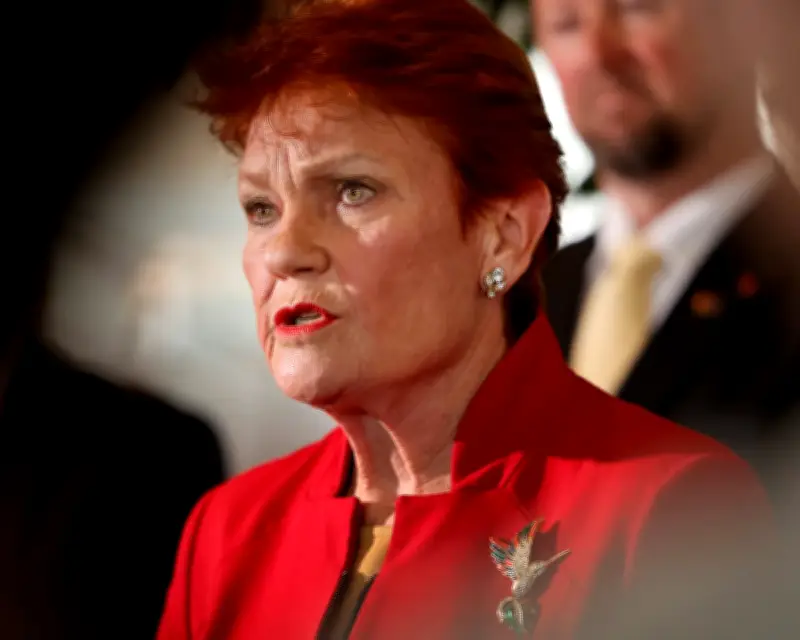
A new poll reveals that Australians' growing pessimism about the future is significantly boosting support for Pauline Hanson's One Nation party. According to the Redbridge Group/Accent Research poll published in the Australian Financial Review, One Nation's primary vote has surged past 30%, an unprecedented milestone in Australian politics. In contrast, Labor's vote has dropped three points to 28%, while the Coalition has fallen two points to 20%. For the first time, a majority of Australians say they would not vote for either major party.
Budget Backlash and Generational Discontent
The federal budget has received broadly negative assessments, with respondents believing it will be detrimental both for the country and for them personally. Among Generation Z, only about a quarter think the budget will be good for the country, while 36% say it will be bad or very bad. Millennials are similarly unimpressed, with just 28% rating the budget positively. Gen X voters are the most critical, with only 6% saying the budget is good for them personally and 54% deeming it very bad or bad. Among renters, a key demographic for the government, only 16% believe the budget benefits them personally.
Labor had aimed to appeal to young renters with this budget, but the data suggests they have failed to persuade this group. Instead, the budget has antagonized older constituencies. One analyst commented, 'It's almost as if Labor deliberately designed a budget to turbocharge more anti-establishment sentiment and pump up One Nation's tyres.'

Underlying Pessimism Fuels One Nation's Rise
While some of Labor's lost vote share can be attributed to the budget and a recent interest rate rise, a deeper factor is a pervasive national negative mood. The sentiment supporting One Nation is underpinned by frustration and despondency with the current political model, fueling anti-establishment support and a view among some voters that the answer lies outside established norms and major parties.
Research shows that the typical One Nation voter is characterized by a loss of trust in institutions and deep skepticism about the competence and motives of both government and large corporations. Only 25% of all respondents think Australia is heading in the right direction, compared to 65% after Peter Costello's last budget in 2007. Among One Nation voters, 90% believe the country is heading in the wrong direction, and just 5% think it is on the right track.
Blame for Economic Woes
When asked who is most responsible for rising interest rates, 40% of all respondents blame politicians, 20% blame corporate CEOs, and only 6% point to immigration. Among One Nation voters, 59% hold politicians primarily responsible, 14% cite immigration, and just 9% blame big business.
Pessimism About the Future
A protracted pessimism about the future, especially for the next generation, is fueling One Nation's vote. In a recent survey, more than half of respondents believed the next generation will have a worse standard of living than their parents, with only 20% expecting improvement. Among One Nation voters, 78% think the next generation will be worse off, and just 12% believe they will fare better.
Historically, voters have tolerated a lot from governments if they are optimistic about their future and that of their children. But now, with the electorate losing hope, governments no longer have that social license. These sentiments provide the architecture for One Nation's support.
Opportunity for Reform
As an insurgent party untainted by a record of perceived failure in government, One Nation has the capacity to eat into Labor territory if the Albanese government is seen as lacking a political mission. However, with low levels of institutional trust, the government cannot assume it has a license to do whatever it wants. This presents an opportunity for meaningful reform to give voters hope that the future can be better.
If Labor cannot define its purpose, its base may look elsewhere for change or political disruption. Tony Barry, a former Liberal Party strategist and now director of RedBridge Group, warns that the government must act to restore faith or risk losing more support to One Nation.