Supreme Court Grants Trump Broad Immunity for Official Acts
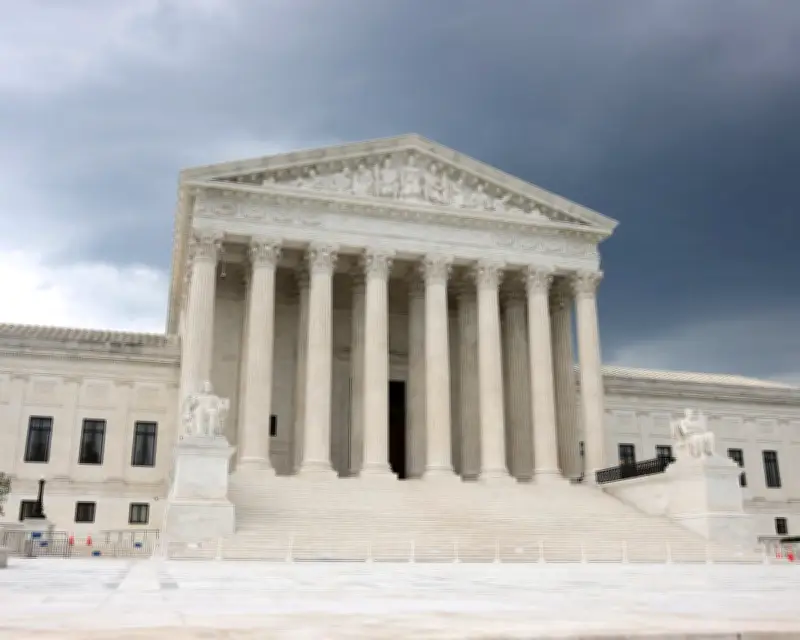
The U.S. Supreme Court ruled on Monday that former President Donald Trump is immune from prosecution for official acts taken while in office, a landmark decision that reshapes presidential power and delays the federal election interference case against him. The 6-3 ruling, split along ideological lines, sends the case back to a lower court to determine which of Trump's actions were official and thus shielded.
Details of the Ruling
Chief Justice John Roberts wrote for the majority, stating that a former president is entitled to absolute immunity for core constitutional powers and presumptive immunity for other official acts. The decision effectively eliminates the possibility of a trial before the November election. Justice Sonia Sotomayor dissented, warning that the ruling makes a president a 'king above the law.'
Impact on Trump's Legal Cases
The ruling directly affects Special Counsel Jack Smith's case regarding Trump's efforts to overturn the 2020 election. Trump's legal team argued that his actions were within his official duties. The lower court must now distinguish between official and unofficial acts, a process that could take months. Trump praised the decision on social media, calling it a 'great victory for our Constitution.'

Reactions and Analysis
Legal experts say the ruling sets a precedent that could protect future presidents from criminal liability for controversial decisions. President Joe Biden's campaign criticized the decision, saying it undermines the rule of law. The ruling also impacts other cases against Trump, including those in Georgia and New York, though those involve state charges not directly covered by federal immunity.