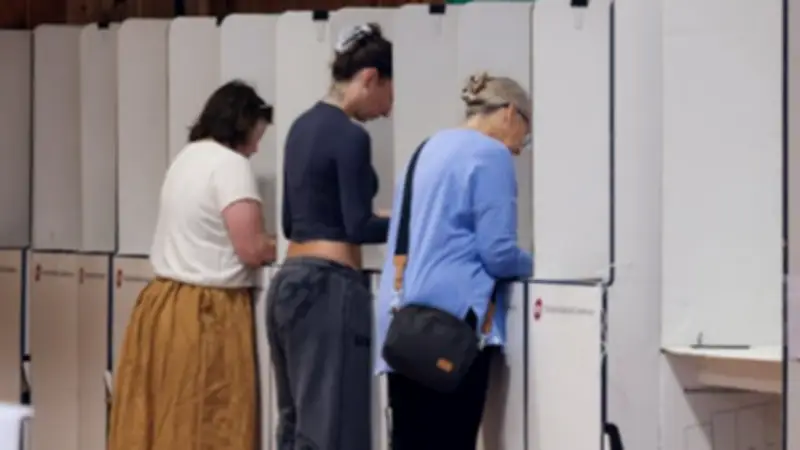
Victoria is attempting political donation reform again. Since April 15, the state has operated without meaningful political finance laws after the High Court struck down the previous regime. Candidates have received unregulated donations, foreign and anonymous donations have been allowed, and Victorians have had no reliable way of knowing who funds political campaigns. This vacuum threatened democratic integrity, raising concerns about corruption and undue influence.
The wild west for political donations
The previous laws collapsed in April when the High Court found them unconstitutional due to preferential treatment of 'nominated entities' associated with major parties. The state government appeared flat-footed, and weeks of negotiation failed to produce a replacement until now.
What's in the new laws?
The bill reintroduces 21-day disclosure obligations for donations over $1,250, prohibitions on foreign and anonymous donations, and donation caps set at $10,000 for the 2026 election and $7,500 thereafter. Caps are doubled for new entrants. Public funding is restored, with administrative funding increased: parties receive $300,000 for the first MP, $100,000 for the second, and $55,000 for the 3rd to 45th MP. The bill removes nominated entities and requires major parties to repay donations from them.

But it's not perfect
The rushed process makes the legislation an emergency repair job. Weaknesses remain: no expenditure caps, ambiguity on fundraising events, no limits on wealthy individuals funding their own campaigns, and exceptions for affiliation fees from unions, think tanks, and businesses. The bill retains distinctions between parties and independents on policy development funding. New provisions allow unlimited spending for others' benefit, expand public funding potentially creating unconstitutional preferential treatment, and enable future changes to disclosure thresholds and caps via regulation without full parliamentary review. Retrospective application of caps raises fairness concerns.
A path forward
Political finance regulation is difficult. The Centre for Public Integrity advocates holistic frameworks with evidence-informed caps, robust disclosure, and fair public funding. The bill includes a review clause requiring a three-person expert panel after the November 2026 election to examine the laws, consult stakeholders, and consider a comprehensive framework. For now, Victoria has plugged the worst hole, especially restoring disclosure, but longer-term reform requires robust independent review.