
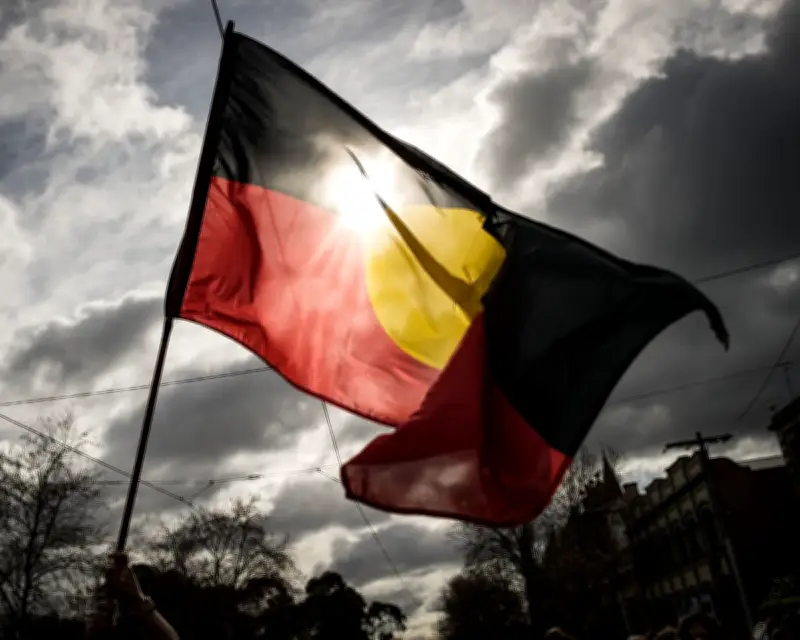
NAIDOC Week 2026 Kicks Off Nationwide
NAIDOC Week 2026 began on Sunday, July 5, with celebrations across Australia honoring the history, culture, and achievements of Aboriginal and Torres Strait Islander peoples. This year's theme, 'Keep the Fire Burning! Blak, Loud and Proud,' emphasizes the resilience and vitality of Indigenous communities.
Key Events and Highlights
In Sydney, the official launch at Barangaroo Reserve featured traditional dances, speeches from elders, and a flag-raising ceremony. Similar events took place in Melbourne, Brisbane, and Canberra, with community gatherings, art exhibitions, and cultural workshops. The National NAIDOC Awards ceremony will be held in Adelaide on July 10, recognizing outstanding contributions by Indigenous Australians.
Calls for Treaty and Truth-Telling
Prominent Indigenous leaders used the week to renew calls for a national treaty and a truth-telling process. 'We need more than symbolic gestures; we need structural change,' said Aunty Pat Turner, co-chair of the Coalition of Peaks. 'Treaty and truth-telling are essential for healing and reconciliation.' According to a 2025 survey by the Lowitja Institute, 78% of Indigenous Australians support a formal treaty process.

Government Response and Funding
Prime Minister Anthony Albanese announced an additional $45 million for Indigenous health and education programs during NAIDOC Week. 'This investment is part of our commitment to Closing the Gap,' he said. The funding includes $20 million for remote community health services and $25 million for Indigenous language preservation.
Community-Led Initiatives
Local communities organized numerous events, including the 'Blak Markets' in Sydney's The Rocks, featuring Indigenous artisans and food vendors. In Alice Springs, a 'Walking Together' march drew over 2,000 participants, promoting unity and understanding. 'NAIDOC Week is a time for all Australians to learn and celebrate,' said local elder William Tilmouth.
Challenges and Ongoing Issues
Despite the celebrations, Indigenous leaders highlighted persistent challenges. The incarceration rate for Indigenous Australians remains 15 times higher than for non-Indigenous Australians, according to the Australian Institute of Health and Welfare. Life expectancy gaps also persist, with Indigenous Australians living 8-9 years less on average. 'We celebrate our survival, but we cannot ignore the injustices that continue,' said Professor Marcia Langton.
Cultural Revival and Youth Engagement
NAIDOC Week 2026 also focused on cultural revival, with programs teaching traditional languages, dance, and art to young people. The 'Youth in Care' initiative in Western Australia saw 500 Indigenous children participate in cultural camps. 'Connecting with culture gives our youth strength and identity,' said youth worker Jasmine Corowa.
Looking Ahead
As NAIDOC Week concludes on July 12, organizers urge continued support for Indigenous causes beyond the week. 'The fire must keep burning all year,' said NAIDOC Committee chair John Paul Janke. 'We call on all Australians to walk with us in the journey towards justice and equality.'