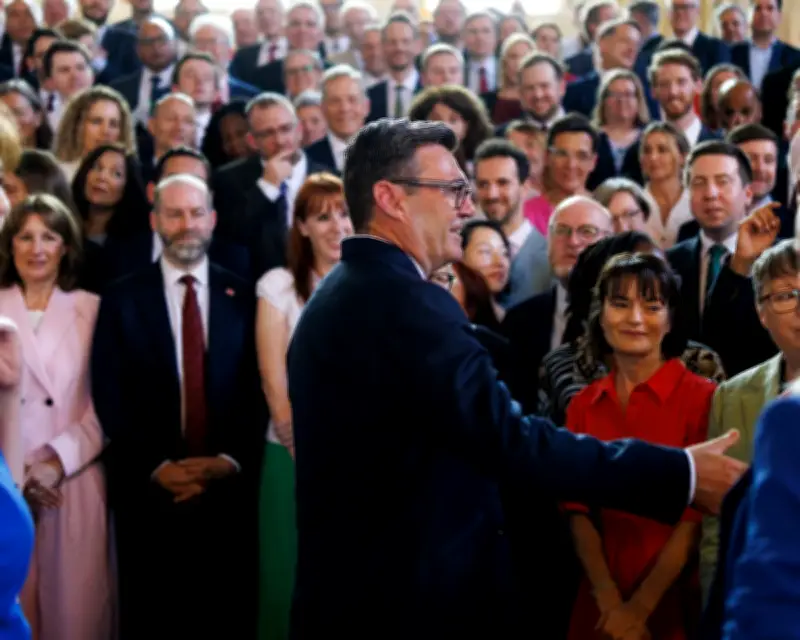
Andy Burnham, the Mayor of Greater Manchester, has launched a blistering attack on the British media, accusing them of misrepresenting the facts surrounding a recent rail crash near Manchester. In a statement released on Wednesday, Burnham claimed that certain outlets had engaged in sensationalism and scaremongering, exacerbating public anxiety and undermining trust in the region's transport infrastructure.
Details of the Rail Crash
The incident occurred on Tuesday afternoon when a passenger train collided with a stationary vehicle on a level crossing in the outskirts of Manchester. Emergency services responded swiftly, with no fatalities reported, though several passengers sustained minor injuries. The Rail Accident Investigation Branch has launched an inquiry into the cause of the crash.
According to Burnham, initial media reports incorrectly suggested that the crash was caused by driver error or faulty signaling, when preliminary evidence points to a mechanical failure in the level crossing barriers. He criticized the BBC and several national newspapers for running headlines that he said were “designed to generate clicks rather than inform the public.”

Burnham's Accusations
“The media has a responsibility to report accurately, especially when public safety is at stake,” Burnham said in a press conference. “Instead, we have seen a rush to judgment, with some outlets blaming everything from driver fatigue to underinvestment in rail infrastructure. This is not journalism; it is fearmongering.”
Burnham specifically singled out a front-page headline in a national tabloid that read “Death Train Near Manchester,” which he described as “grossly misleading and irresponsible.” He called on the Independent Press Standards Organisation to investigate the coverage.
Impact on Public Trust
The mayor warned that such reporting could have long-term consequences for public confidence in the region's rail network, which has seen significant investment in recent years. “Manchester is a city on the move, with billions being invested in our transport systems. These baseless allegations threaten to undo all that good work,” he added.
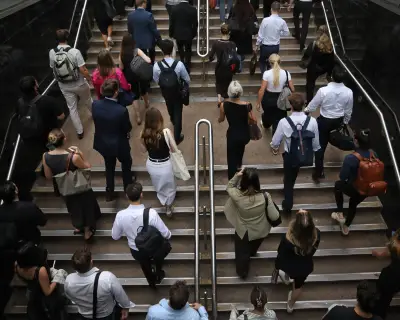
Transport for Greater Manchester reported that passenger numbers on the affected line dropped by 15% in the 24 hours after the crash, despite assurances that the line was safe to operate. Local businesses near the crash site also reported a decline in foot traffic, with some shop owners attributing the drop to negative media coverage.
Media Response
The BBC declined to comment directly on Burnham's remarks but noted that its reporting was based on initial information from official sources. A spokesperson for the National Union of Journalists defended the media's role, stating that “journalists act in the public interest and should not be unfairly blamed for reporting breaking news.”
However, several commentators have echoed Burnham's concerns. Professor Sarah Jones of the University of Manchester's Media Studies department said, “The rush to publish unverified information can cause real harm. In this case, the facts were clear within hours, but the damage to public perception had already been done.”
Call for Reform
Burnham has called for a review of media guidelines for reporting on transport incidents, urging editors to prioritize accuracy over speed. He also announced plans to hold a summit with local media outlets to discuss responsible reporting practices.
“We cannot allow a few bad actors to undermine the trust that people have in our public services,” Burnham concluded. “The media must be held accountable, just as we hold politicians and public officials accountable.”