Aguia Resources Clears Major Regulatory Hurdle for Brazilian Fertiliser Sales
Sydney-based Aguia Resources has successfully navigated a critical regulatory milestone, securing formal registration with Brazil's Ministry of Agriculture, Livestock and Food Supply (MAPA). This achievement grants the company legal authority to commercialise fertiliser products within Brazil's vast and tightly regulated agribusiness sector, marking a significant step toward its first sales later this year.
Years of Preparation Culminate in Key Approval
The MAPA registration, obtained by Aguia's Brazilian subsidiary, Aguia Fertilizantes, on 6 April, is not merely a formality but an absolute necessity for any entity aiming to sell fertiliser in one of the world's largest agricultural markets. This milestone follows years of groundwork, including the registration of the Pampafos brand name with Brazil's National Industrial Property Institute back in 2019. With this approval, Aguia is now meaningfully closer to generating its first revenues from the natural phosphate fertiliser.
Operational and Regulatory Steps Ahead
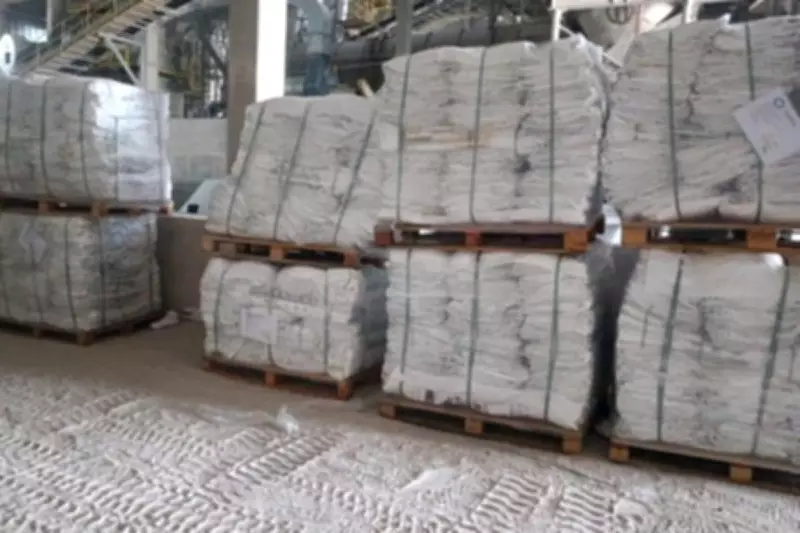
Upgrades to the phosphate processing plant at Caçapava do Sul in Rio Grande do Sul are scheduled for completion this month, representing the next critical phase on the path to initial sales. Once the final operational licence for the Tres Estradas mine is issued by the State Environmental Agency of Rio Grande do Sul (FEPAM), a final MAPA audit will be triggered to monitor the actual processing of Pampafos. MAPA's closing sign-off is anticipated by early May, at which point the first truckloads of Pampafos can legally be dispatched to customers.

Strong Market Demand and Strategic Positioning
The commercial groundwork has been well established, with Aguia securing non-binding memorandums of understanding for approximately 44,000 tonnes of supply with buyers across Brazil and Uruguay, covering the bulk of its projected first-year output. A dedicated sales and commercial team is actively in the field, reporting robust and accelerating demand from Brazilian agricultural operators seeking local alternatives to imported phosphate. Despite its status as a global agricultural powerhouse, Brazil currently imports a staggering 85 per cent of its annual fertiliser requirements, largely from regions like the Middle East and North Africa. Disruptions to global shipping routes, elevated freight costs, and geopolitical uncertainties have heightened the appetite for domestically produced fertilisers.
Advantages of Local Production
Pampafos, mined and processed in Rio Grande do Sul, offers significant advantages by eliminating the need for international shipping, dependence on sulphuric acid inputs, and exposure to supply chain risks that have driven up costs for conventional phosphate fertilisers. According to Aguia Resources managing director Tim Hoskings, this locally sourced product will help reduce the sector's vulnerability to external market disruptions.
Broader Implications and Future Prospects
For investors, Aguia's story is entering its most tangible phase, with permits being secured, the plant nearing readiness, customers lined up, and the regulatory framework now in place. The upcoming FEPAM mine operating licence represents the final piece before revenue generation begins. Additionally, this development adds a second pillar to Aguia's broader resource portfolio, which includes gold projects in Colombia, positioning the company strategically between commodities that underpin both wealth and agriculture in an increasingly resource-conscious world.