
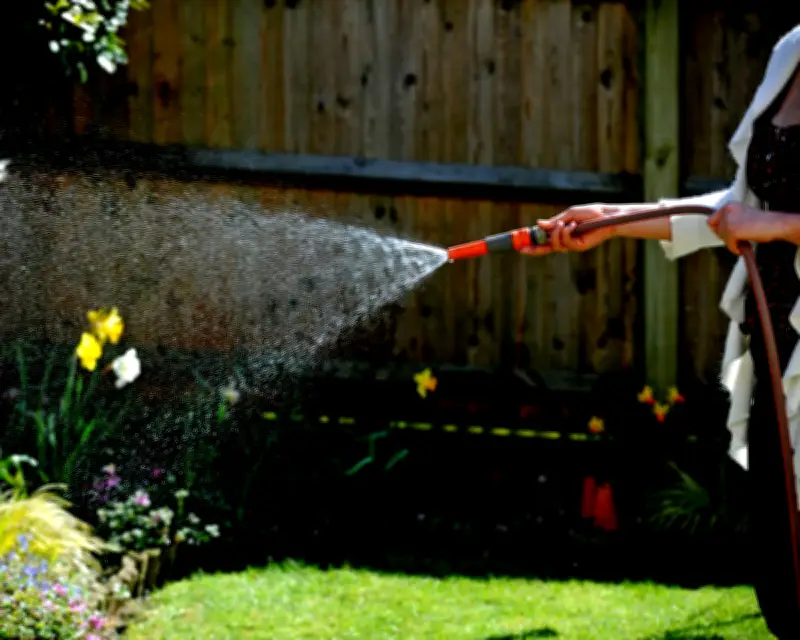
South East Water has introduced a hosepipe ban affecting millions of households across the region, effective immediately, as a prolonged heatwave pushes water demand to unprecedented levels. The utility company cited a surge in consumption, with usage spiking by over 40% compared to the same period last year, as reservoirs and groundwater levels dropped sharply.
Record Demand Triggers Emergency Measures
The ban, which prohibits the use of hosepipes for watering gardens, washing cars, and filling paddling pools, covers areas including Kent, Sussex, Surrey, and parts of London. South East Water said the decision was necessary to protect essential supplies for drinking and sanitation. According to the company, demand reached 1.2 billion litres per day earlier this week, far exceeding the typical summer peak of 850 million litres.
“We are facing an unprecedented situation,” said a South East Water spokesperson. “The combination of a dry winter and spring, followed by this extreme heatwave, has left our water resources under severe strain. We have no choice but to impose this ban to ensure we can maintain supply for critical needs.”

Heatwave Intensifies Across Southern England
The ban comes as temperatures across the south east are forecast to hit 38°C in the coming days, with the Met Office issuing an amber warning for extreme heat. The UK Health Security Agency has also raised a level 3 heat-health alert, urging vulnerable groups to take precautions. The dry conditions follow one of the driest 12-month periods in the region since records began in 1910, with rainfall levels at just 60% of the long-term average.
Environmental groups have warned that climate change is increasing the frequency and severity of such events. “This is a stark reminder that we need to invest in water infrastructure and demand management,” said a spokesperson for the Environment Agency. “We support the ban as a temporary measure, but long-term solutions are urgently needed.”
Previous Bans and Public Response
South East Water last imposed a hosepipe ban in 2022, during a similar heatwave, but the current restrictions are expected to last longer if dry weather persists. The company has urged customers to use water wisely, including taking shorter showers and using watering cans instead of hosepipes. Non-compliance could result in fines of up to £1,000, though enforcement is expected to focus on education initially.
Local residents have expressed mixed reactions. “I understand the need, but it’s frustrating when you’ve just planted new flowers,” said a homeowner in Maidstone. Others have called for better infrastructure. “We keep having these bans, but nothing changes. They need to fix the leaks,” added a resident in Brighton.
Impact on Businesses and Agriculture
Farmers in the region are also affected, with some facing restrictions on irrigation. The National Farmers' Union said the ban could reduce crop yields, particularly for fruits and vegetables, if extended. “We are in constant dialogue with the water company to ensure that food production is prioritised where possible,” said a union representative.
Water companies across the UK are monitoring the situation closely, with Thames Water and Southern Water also considering precautionary measures. The government has said it is working with regulators to ensure supplies are maintained, but has ruled out a national drought order at this stage.
South East Water has advised customers to check its website for updates and to report any leaks or misuse. The company also said it is deploying additional tankers to bolster supplies in the hardest-hit areas.