Hunter Seafood Lovers Brace for Impact of Higher Fuel Prices
Seafood aficionados across the Hunter region are steeling themselves for a significant uptick in prices as escalating fuel costs begin to ripple through the fishing industry. This development is poised to affect everything from local catches to imported delicacies, with consumers likely to feel the pinch at markets and restaurants in the coming months.
Rising Operational Expenses for Fishermen
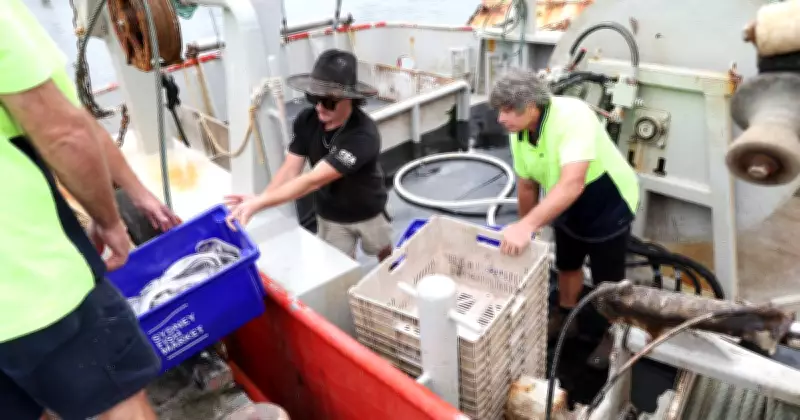
The surge in fuel prices is directly translating into higher operational expenses for fishermen, who rely heavily on diesel for their boats and transportation. Many local fishers report that fuel now constitutes a substantial portion of their overhead, forcing them to reconsider pricing strategies to maintain profitability. This economic pressure is not limited to small-scale operations; larger commercial fleets are also grappling with increased costs, which could lead to reduced fishing efforts or higher prices passed on to wholesalers.
Supply Chain Disruptions and Import Challenges
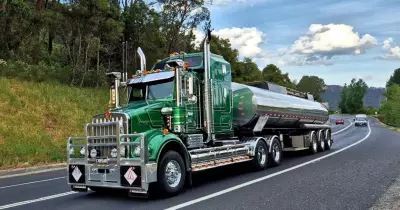
Beyond local waters, the impact extends to the broader supply chain, where transportation costs for imported seafood are climbing. Items such as prawns, salmon, and exotic fish, often sourced from interstate or overseas, are becoming more expensive to ship, adding another layer to the price hikes. Retailers and restaurateurs in the Hunter are warning that these increases will inevitably trickle down to menus and market stalls, potentially altering consumer habits as budgets tighten.

Consumer Reactions and Adaptation Strategies
In response, Hunter seafood lovers are exploring various ways to mitigate the financial strain. Some are turning to more affordable local species, while others are reducing their seafood consumption or seeking out direct-from-boat purchases to cut out middlemen. Community-supported fisheries and co-ops are gaining traction as viable alternatives, offering fresher catches at potentially lower prices by streamlining distribution. However, experts caution that these measures may only provide temporary relief if fuel costs continue to soar.
Long-Term Implications for the Region
The situation underscores broader concerns about sustainability and economic resilience in the Hunter's seafood sector. With fuel prices showing no signs of abating, stakeholders are calling for innovative solutions, such as investment in fuel-efficient technologies or government support for local industries. As the community navigates these challenges, the cherished tradition of enjoying fresh seafood may become a more costly indulgence, prompting a reevaluation of how food systems operate in an era of volatile energy markets.