South Perth Council Backs Tree Removal at Historic Golf Club Amid Controversy
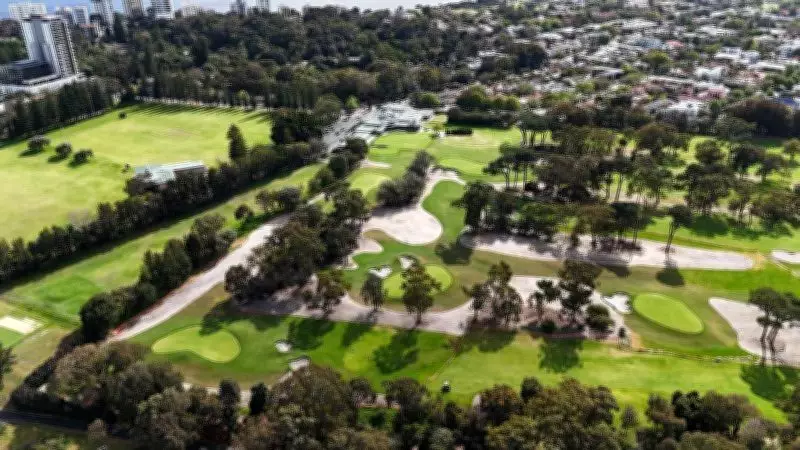
The City of South Perth council has given its approval for the removal of 39 mature trees as part of the next phase of redevelopment at Royal Perth Golf Club, the city's oldest golfing institution. This decision, made at a recent council meeting, has sparked significant debate and opposition from both community members and some councillors, highlighting tensions between urban development and environmental conservation.
Council Vote and Dissenting Voices
At the meeting held last Tuesday night, councillors Kathy Lees, Andre Brender-A-Brandis, and Jacqueline Raison voted against the approval of Stage 3 of the course redesign works, which includes moving a maintenance driveway and removing the trees. Originally, the club had applied to remove 76 trees, but this was reduced to 39 in the final proposal. Councillor Bronwyn Waugh defended the decision, stating that it was not a "case of neglect" or "clearing without replacement." She emphasised that the approach is part of a managed, staged landscaped strategy tied to an ongoing revegetation and enhancement program.
Cr Waugh argued that redesigning the golf course to mitigate risks, such as ball strikes, requires proactive measures. "There will be loss of trees in the short-term and this is so very regrettable," she said, but expressed confidence that the long-term environmental outcome would be stronger than the current status quo. In contrast, Cr Lees attempted to defer the item, citing confusion in the presented information, and later moved an alternative motion to reject the application in favour of exploring options that prioritise tree retention and alternative safety methods. Both efforts were unsuccessful.

Environmental and Community Concerns
Cr Lees raised alarms about the significant and irreversible loss of canopy, noting that when clump species are counted individually, the number of trees removed could exceed 100. She referenced the city's urban greening strategy, which states that tree removal should be a last resort. "When council is asked to give or withhold consent, it is both reasonable and responsible for us to have regard to our strategic and planning framework," she asserted. Cr Raison highlighted issues with the significant tree register, pointing out that no trees on the golf course were recorded, which she argued undermines proper assessment and lease compliance.
Community opposition was vocal, with seven residents urging rejection at a prior agenda briefing. South Perth resident Heidi Schmidt emphasised the community's expectations for canopy protection, warning of reputational risks similar to past controversies like the "six trees affair." She also noted the potential impact on wildlife, including protected species such as possums, bobtail skinks, boobook owls, and endangered black cockatoos. "The wildlife that depends on these trees does not have a voice in this process," she lamented. Other residents, like Max Szmekura and Caroline Delic, called for independent wildlife audits and expressed dismay over the loss of critical habitats.
Council's Rationale and Future Implications
Councillor Tim Houweling urged the council to distinguish between strategy and policy, noting that the urban greening strategy sets long-term aspirations rather than binding rules. He stressed the need for an independent, carefully considered view focused on whether the golf course can operate safely and effectively under its lease. "Failing to do so would be to fall into error," he concluded. The approval marks a pivotal moment in balancing development needs with environmental stewardship, setting a precedent for future urban planning decisions in South Perth.
As the redevelopment proceeds, the council and community will monitor the implementation of revegetation efforts and the broader impacts on local biodiversity and urban canopy. This case underscores the ongoing challenges in managing green spaces in growing urban areas, where economic and recreational interests often clash with ecological preservation goals.