WA Seafood Crisis: Demersal Ban and Cyclone Narelle Force Easter Imports and Soaring Prices
Western Australia is grappling with a severe seafood crisis that has left local supply chains in disarray, forcing the state to rely on imports for the upcoming Easter holiday period. This unprecedented situation is driven by a combination of a strict demersal fishing ban and the devastating impact of Cyclone Narelle, which have collectively gutted the availability of key fish species.
Demersal Fishing Ban Disrupts Local Catch
The crisis stems from a government-imposed demersal fishing ban, which targets bottom-dwelling fish species such as dhufish and snapper. This measure, aimed at protecting vulnerable marine populations, has significantly reduced the volume of locally caught seafood. Fishermen across WA report that the ban has made it nearly impossible to meet consumer demand, particularly for premium species that are staples in the state's culinary scene.
Industry experts warn that the ban, while environmentally necessary, has created a supply vacuum that is now being filled by imported products. This shift is not only affecting local businesses but also raising concerns about the sustainability and quality of seafood available to consumers.

Cyclone Narelle Exacerbates Supply Shortages
Compounding the issue, Cyclone Narelle has wreaked havoc on fishing operations along the WA coast. The severe weather event disrupted fishing fleets, damaged infrastructure, and made it unsafe for vessels to operate, further depleting the already strained local supply. The cyclone's aftermath has left many fishing communities struggling to recover, with some areas reporting losses of up to 50% in their usual catch volumes.
This dual blow of regulatory restrictions and natural disaster has created a perfect storm for the seafood industry, leading to widespread shortages that are expected to persist through the Easter season.
Easter Imports and Soaring Prices Hit Consumers
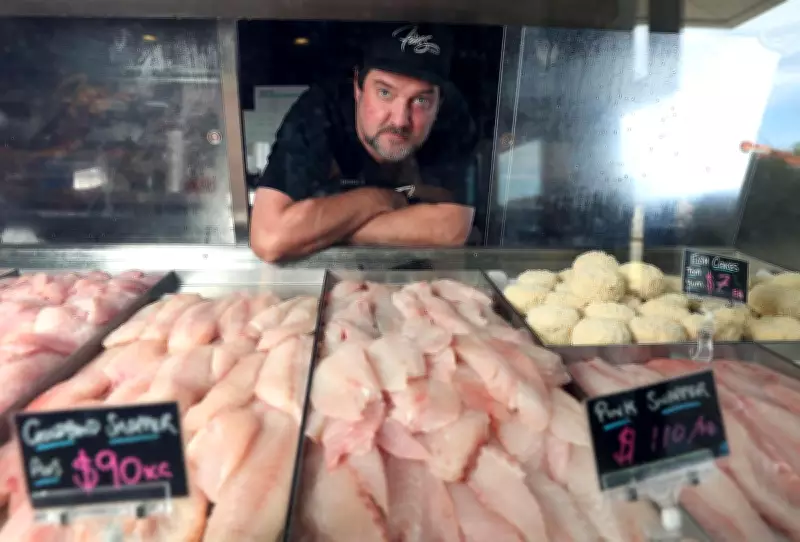
As a result of these disruptions, WA is now forced to import seafood to meet demand during the busy Easter period. Retailers and wholesalers are sourcing fish from interstate and international markets, including species like barramundi and salmon, which are not typically reliant on local demersal stocks. However, this reliance on imports comes at a cost.
Consumers are facing soaring prices, with some reports indicating increases of up to 30% for popular seafood items. The higher costs are attributed to transportation expenses, import tariffs, and the premium charged for scarce local alternatives. This price surge is particularly concerning for families planning traditional Easter meals, as seafood is a central component of many celebrations in WA.
Industry and Government Response
Local fishermen and seafood businesses are calling for urgent support from the government to mitigate the crisis. Proposals include temporary relief measures, such as subsidies for affected operators and accelerated recovery programs for cyclone-damaged areas. Some stakeholders are also advocating for a review of the demersal ban to find a balance between conservation and economic viability.
Government officials have acknowledged the challenges but emphasize the importance of the demersal ban for long-term marine health. They are exploring options to boost alternative seafood sources and improve supply chain resilience, though immediate solutions remain limited.
Future Outlook and Consumer Advice
Looking ahead, the WA seafood crisis is likely to continue impacting the market beyond Easter. Experts predict that prices may remain elevated for several months as the industry works to rebuild supply. Consumers are advised to:
- Consider alternative seafood options that are less affected by the ban and cyclone.
- Plan ahead for holiday purchases to avoid last-minute shortages.
- Support local fishermen where possible, despite the higher costs.
This situation highlights the fragile interplay between environmental policy, natural events, and food security in Western Australia. As the state navigates this crisis, the lessons learned could inform future strategies for sustainable fishing and disaster preparedness in the region.