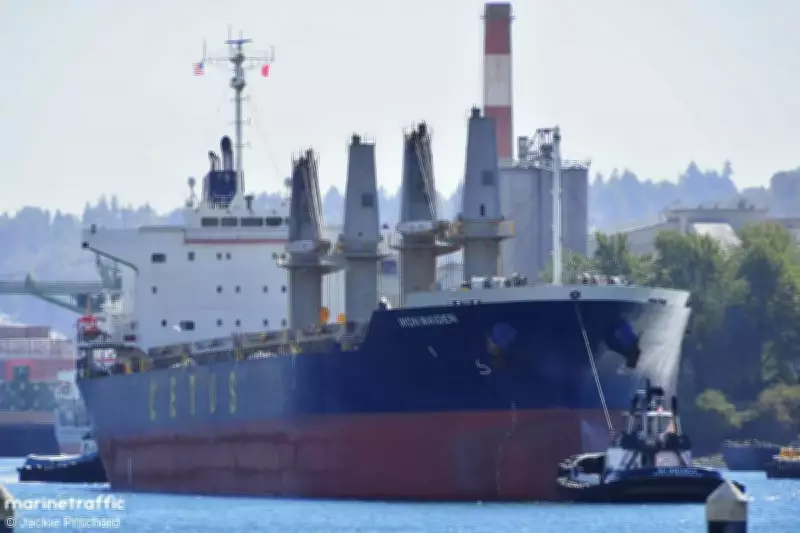
Bulk Carrier Makes Stunning Escape from Strait of Hormuz by Claiming Chinese Ownership
A bulk carrier en route to Western Australia has executed a remarkable evasion in the Strait of Hormuz by declaring itself as Chinese-owned, thereby avoiding potential seizure or detention in the strategically vital waterway. This incident underscores the escalating tensions and complex geopolitical dynamics in the region, where maritime security remains a persistent concern for global shipping and trade routes.
Details of the Evasion Incident
The vessel, which was traveling towards Western Australia, navigated through the Strait of Hormuz—a chokepoint known for its high-risk environment due to regional conflicts and naval patrols. By asserting Chinese ownership, the bulk carrier managed to bypass heightened scrutiny and threats that often target ships from other nations, particularly those involved in disputes with local powers. This move highlights the tactical use of nationality claims as a defensive measure in volatile maritime zones.
Implications for Maritime Security and Trade
This event raises significant questions about the effectiveness of current maritime security protocols and the reliance on ownership declarations to ensure safe passage. The Strait of Hormuz is a critical conduit for oil and cargo shipments, and such evasions could set precedents for other vessels seeking to mitigate risks. For Western Australia, which depends on maritime imports and exports, this incident serves as a stark reminder of the vulnerabilities in global supply chains and the need for robust contingency planning.

Regional Tensions and Geopolitical Context
The Strait of Hormuz has been a flashpoint for international tensions, with frequent incidents involving naval forces and commercial shipping. The bulk carrier's claim of Chinese ownership taps into broader geopolitical rivalries, as China's growing maritime influence can sometimes provide a shield for vessels in contested areas. This case may prompt further analysis of how ownership and flagging practices are leveraged in high-risk regions to navigate legal and security challenges.
Response and Future Considerations
Authorities and shipping companies are likely to review this incident to assess its implications for future voyages and security measures. Enhanced verification processes for ownership claims and increased coordination among international maritime agencies could be necessary to prevent misuse of such tactics. For the shipping industry, this underscores the importance of transparency and adherence to international laws to maintain safe and efficient trade flows.