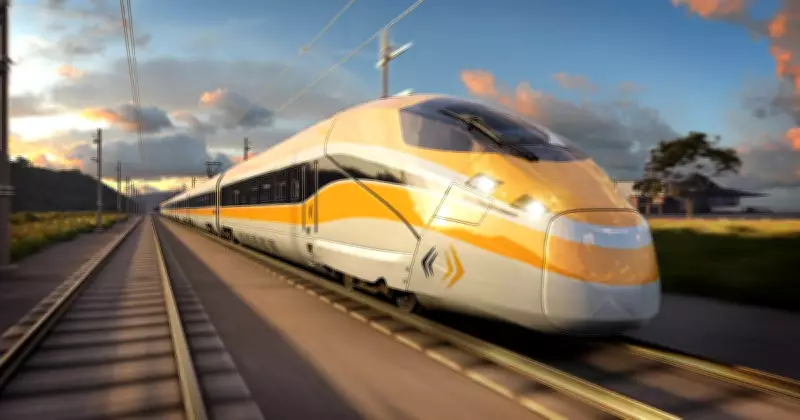
High-Speed Rail Proposal to Revolutionize Newcastle-Sydney Travel
A groundbreaking high-speed rail plan has been unveiled, targeting a transformative connection between Newcastle and Sydney. This ambitious infrastructure project promises to slash travel times dramatically, potentially reducing the journey to under an hour, compared to the current two-and-a-half-hour drive or train ride. The proposal is part of a broader push to enhance regional connectivity and stimulate economic growth in New South Wales.
How the High-Speed Rail System Will Operate
The proposed high-speed rail system is designed to operate on dedicated tracks, utilizing advanced technology to achieve speeds exceeding 250 kilometers per hour. Trains will feature state-of-the-art aerodynamics and energy-efficient engines, minimizing environmental impact while maximizing performance. Key stations along the route are expected to include strategic hubs in both urban and suburban areas, facilitating seamless integration with existing public transport networks.
Operational plans indicate that services will run frequently, with peak-hour departures every 15 to 20 minutes, ensuring convenience for commuters and travelers alike. Ticket pricing structures are under development, with options for single fares, season passes, and discounted rates for students and seniors, aiming to make the service accessible to a wide demographic.

Economic and Environmental Benefits
The high-speed rail project is projected to deliver significant economic advantages, including job creation during construction and ongoing operations. It is estimated to generate thousands of employment opportunities in engineering, maintenance, and customer service sectors. Additionally, by reducing reliance on road and air travel, the rail link could alleviate traffic congestion on major highways like the M1 Pacific Motorway and decrease carbon emissions, contributing to sustainability goals.
Environmental assessments highlight potential reductions in greenhouse gas emissions by shifting passenger transport to electric-powered trains. This aligns with broader climate action initiatives, positioning the project as a key component in Australia's transition to greener infrastructure. Community feedback has been positive, with many residents expressing enthusiasm for improved travel options and reduced commute times.
Challenges and Future Outlook
Despite the promising prospects, the high-speed rail plan faces several challenges. Funding remains a critical issue, with estimates suggesting multi-billion-dollar investments required for land acquisition, construction, and technology implementation. Government and private sector partnerships are being explored to secure necessary capital, but negotiations are ongoing.
Technical hurdles include navigating complex terrain and integrating with existing rail networks, which may require innovative engineering solutions. Regulatory approvals and community consultations are also essential steps before construction can commence. If successful, this project could serve as a model for future high-speed rail expansions across Australia, potentially linking other major cities and regions.
Stakeholders are optimistic that with coordinated efforts, the Newcastle-Sydney high-speed rail could become operational within the next decade, revolutionizing intercity travel and setting a new standard for Australian transport infrastructure.