WA Truckers Face Potential Stranding Amid Fuel Supply Concerns
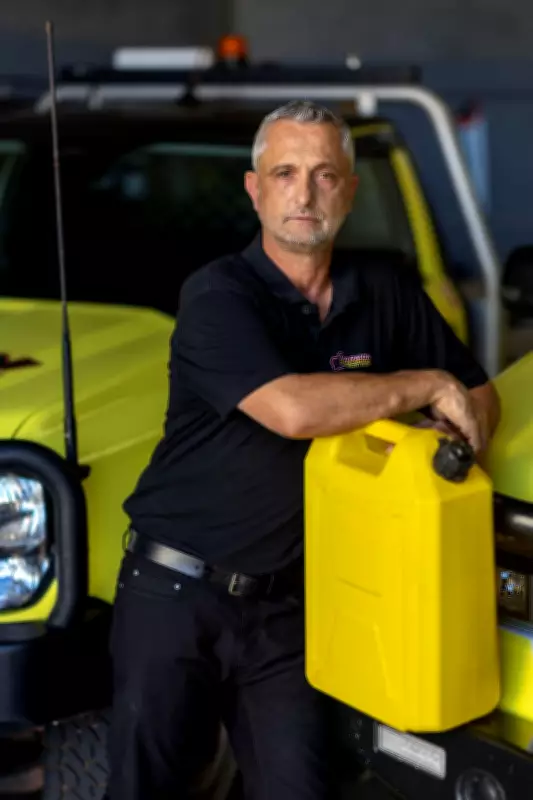
In Western Australia, truck drivers are expressing growing fears that they could become stranded on the roads due to ongoing fuel uncertainty, prompting calls for increased transparency and information from authorities. Paul Konstek, a prominent figure in the transport industry, has publicly urged for more detailed updates to address these concerns and prevent potential disruptions to the state's supply chain.
Industry Leader Demands Clarity on Fuel Situation
Paul Konstek, representing the interests of truckers and logistics operators, has emphasized the critical need for clear and timely information regarding fuel availability. He warns that without adequate communication, drivers risk being left without fuel mid-journey, which could lead to significant operational delays and safety hazards. This call to action comes amid reports of fluctuating fuel supplies and logistical challenges affecting the transport sector in WA.
Risks of Stranding and Supply Chain Impact
The potential for truckers to become stranded is not just a hypothetical scenario; it poses real threats to the efficiency of WA's supply chain. If drivers are unable to refuel, deliveries of essential goods, including food and medical supplies, could be severely impacted. Konstek highlights that this uncertainty exacerbates existing pressures on the industry, such as rising costs and driver shortages, making it imperative for stakeholders to collaborate on solutions.

Broader Implications for WA's Economy
Beyond the immediate risks to truckers, the fuel uncertainty has broader economic implications for Western Australia. The transport sector is a backbone of the state's economy, facilitating trade and commerce across vast distances. Any disruption could ripple through other industries, affecting businesses and consumers alike. Konstek's advocacy underscores the importance of proactive measures to ensure fuel security and maintain smooth operations.
Moving Forward: Calls for Action and Information
In response to these concerns, Paul Konstek is calling for enhanced communication from government bodies and fuel suppliers. He suggests that regular updates on fuel stocks, distribution plans, and contingency measures could help mitigate risks. Additionally, he advocates for industry-wide discussions to develop strategies that address both short-term challenges and long-term sustainability in fuel management for WA's transport network.