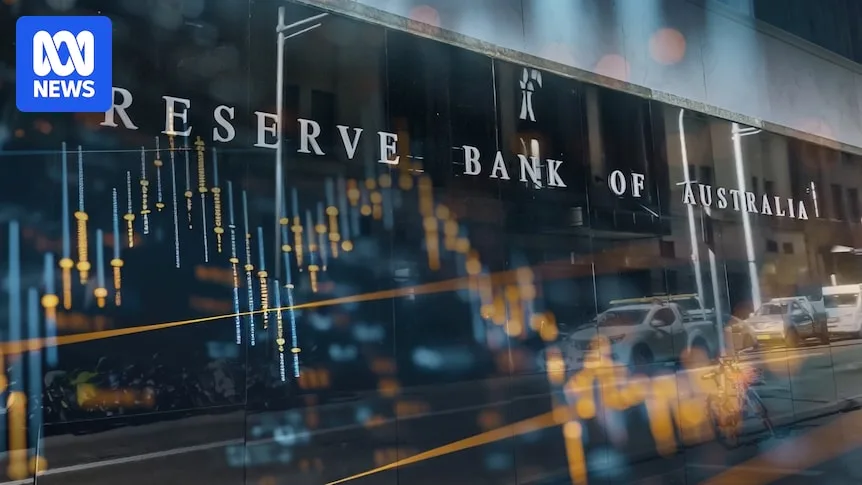
RBA Lifts Official Cash Rate to 4.1%, Increasing Financial Pressure on Homeowners
The Reserve Bank of Australia (RBA) has announced a significant increase in the official cash rate, raising it to 4.1%. This decision marks another step in the central bank's ongoing efforts to combat inflation, but it comes with immediate financial consequences for millions of Australian households. The rate hike is expected to drive up mortgage repayments, adding to the cost-of-living pressures that many families are already facing.
How Much Extra You Will Pay on Your Mortgage
For homeowners with variable-rate mortgages, the latest increase means higher monthly repayments. On a typical $500,000 mortgage, the extra cost could amount to approximately $100 per month, depending on the specific loan terms and lender policies. Over a year, this adds up to an additional $1,200 in interest payments, straining household budgets further. Those with larger loans, such as $750,000 or $1 million, will see even more substantial increases, potentially paying hundreds of dollars more each month.
The cumulative effect of recent rate hikes is particularly stark. Since the RBA began raising rates from historic lows, the total increase has pushed many borrowers to their financial limits. For example, on a $500,000 loan, the total extra monthly cost since the start of the tightening cycle could now exceed $300, highlighting the rapid escalation in housing expenses.
Broader Economic Implications of the Rate Rise
Beyond individual households, the rate hike to 4.1% signals the RBA's continued focus on taming inflation, which remains above target levels. Higher interest rates are designed to cool spending and investment, thereby reducing price pressures in the economy. However, this approach also risks slowing economic growth and increasing unemployment if tightened too aggressively.
Businesses are also feeling the pinch, as borrowing costs rise for loans and credit lines. This could lead to reduced investment in expansion and hiring, potentially dampening job creation and wage growth. The property market may see further softening, with higher mortgage costs discouraging new buyers and putting downward pressure on home prices in some regions.
What This Means for Your Finances
Homeowners are advised to review their budgets and consider strategies to manage the increased costs. Options might include:
- Refinancing to a lower-rate loan if available, though this may involve fees and eligibility checks.
- Making extra repayments when possible to reduce the principal and overall interest burden.
- Seeking financial advice to explore debt consolidation or other relief measures.
For savers, the rate hike could bring some benefits, as banks may increase interest rates on savings accounts and term deposits. However, these gains are often modest compared to the rising costs of living and borrowing.
The RBA's decision underscores the delicate balance between controlling inflation and supporting economic stability. As rates climb to 4.1%, Australians must navigate a challenging financial landscape, with careful planning becoming more crucial than ever.