
The National Federation of Independent Business (NFIB) reported on Monday that its Small Business Optimism Index rose to 108.5 in June 2026, the highest level since the survey began in 1973. The index increased by 3.2 points from May's reading of 105.3, surpassing the previous record of 108.0 set in August 2023.
Key Drivers of Optimism
The surge was fueled by improvements in several key components. The percentage of owners expecting better business conditions over the next six months rose by 8 points to 48%, while those planning to create new jobs increased by 5 points to 22%. Sales expectations also improved, with a net 18% of owners anticipating higher real sales, up 6 points from May.
According to NFIB Chief Economist William Dunkelberg, "Small business owners are feeling more confident than ever about the economy. The combination of strong consumer demand and easing regulatory burdens is driving this optimism."

Employment and Hiring Plans
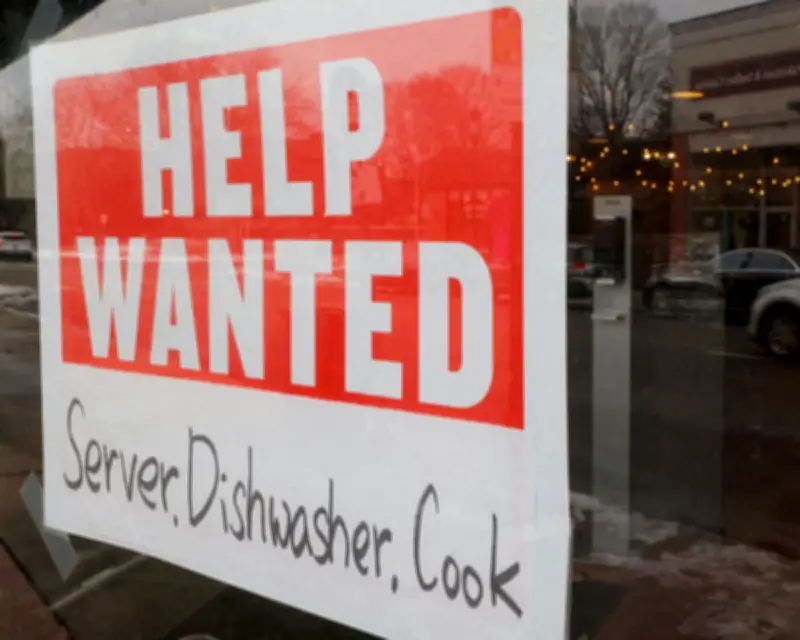
Hiring plans were particularly robust. A net 37% of owners reported job openings that were hard to fill, up 3 points from May. The construction and manufacturing sectors saw the strongest demand for workers. Additionally, 58% of owners reported capital outlays in the last six months, with spending on new equipment and vehicles leading the way.
Inflation and Pricing
Despite the optimistic outlook, inflation remains a concern. A net 28% of owners reported raising average selling prices, down 1 point from May but still elevated. The NFIB noted that while price increases are moderating, they remain above pre-pandemic levels. Dunkelberg added, "Inflation is still a top concern for many owners, but the overall sentiment is that the worst is behind us."
Credit Conditions
Access to credit was seen as less of a problem. Only 3% of owners reported that financing was their top business problem, the lowest reading since 2020. However, interest rates remain a worry, with a net 8% of owners expecting credit conditions to tighten.
Industry Breakdown
The optimism was broad-based across industries. Retail and wholesale trade saw the largest gains, while professional services and healthcare also reported strong sentiment. The only sector to show a decline was agriculture, where weather-related concerns weighed on outlook.
Outlook
The NFIB expects the strong momentum to continue into the second half of 2026, driven by consumer spending and business investment. However, risks remain, including potential labor shortages and geopolitical uncertainties. Dunkelberg concluded, "Small businesses are the engine of the US economy, and their confidence bodes well for growth."