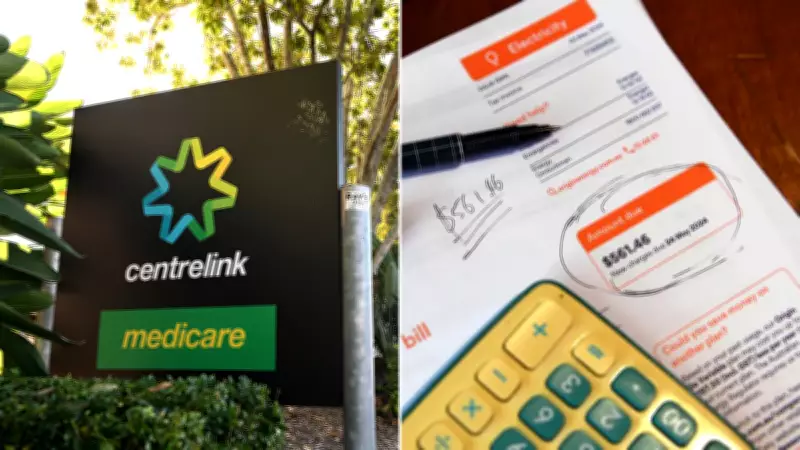
The Economic Inclusion Advisory Committee (EIAC) has sounded the alarm on the growing gap between Centrelink payments and the soaring cost of living, warning that recipients are struggling more than ever to cover basic expenses.
Cost of living crisis deepens
In its fourth annual report released ahead of the federal budget on May 12, the committee identified the cost of living as the most pressing issue. It called on the government to boost social benefits to catch up with skyrocketing costs, particularly for rent and groceries.
“The situation has since deteriorated and further increases are required,” the EIAC stated, emphasising that raising payments for JobSeeker, Youth Allowance, and the Remote Area Allowance (RAA) remains the committee’s “top priority and repeats calls made in previous reports.”

Remote Area Allowance and Rent Assistance
The committee highlighted the RAA as being of “critical need for a substantial lift,” while also urging an increase in Commonwealth Rent Assistance (CRA) to alleviate housing stress. It further recommended that the government “immediately stop all Centrelink payment penalties, including suspensions, reductions and cancellations related to compulsory activities.”
Current payments insufficient
On March 20, the government raised JobSeeker payments to $808.70 for a single person, or up to $1,047.30 for a single principal carer. However, these amounts remain well below what is needed to comfortably afford rent in Australia.
Anglicare Australia’s annual Rental Affordability Snapshot revealed that only one out of 49,000 rental listings nationwide was affordable for someone on JobSeeker. For those on Youth Allowance, that figure drops to zero, while just 0.2 per cent of rentals were affordable for a single person on the Age Pension.
Stark findings
“The results are stark,” Anglicare Australia said. “These are not new findings. For many of these groups, affordability has remained at or near zero for much of the time this data has been collected. Even households in full-time work on the minimum wage now face limited access to affordable housing. Families who once had a broader range of options can now afford a much smaller share of the market. Over time, the gap between incomes and rents has widened.”
The EIAC’s report underscores the urgent need for action as everyday expenses continue to outpace Centrelink payments, leaving many Australians in a precarious financial position.