Fuel Price Crisis: Authorities Call for Action Against Overcharging and Panic Buying
Australians are being strongly encouraged to report petrol stations that are charging excessively high prices, as authorities issue warnings that panic buying is a primary driver behind the current spike in fuel costs. NRMA spokesperson Peter Khoury emphasized that the surge in prices is being fueled by increased demand rather than supply shortages, and he has called on motorists to immediately cease stockpiling fuel.
Demand-Driven Price Increases
Khoury stated on Tuesday that the key message is to address the demand issue, which requires people to stop panic buying and stockpiling, particularly diesel. He urged Australians to return to their normal fuel purchasing habits to help alleviate pressure on the supply chain. This appeal follows an emergency meeting convened by the Australian Competition and Consumer Commission (ACCC), which summoned major fuel suppliers including Ampol, BP, Chevron, Exxon Mobil, and 7-Eleven to explain the skyrocketing prices.
Global Oil Market Disruptions
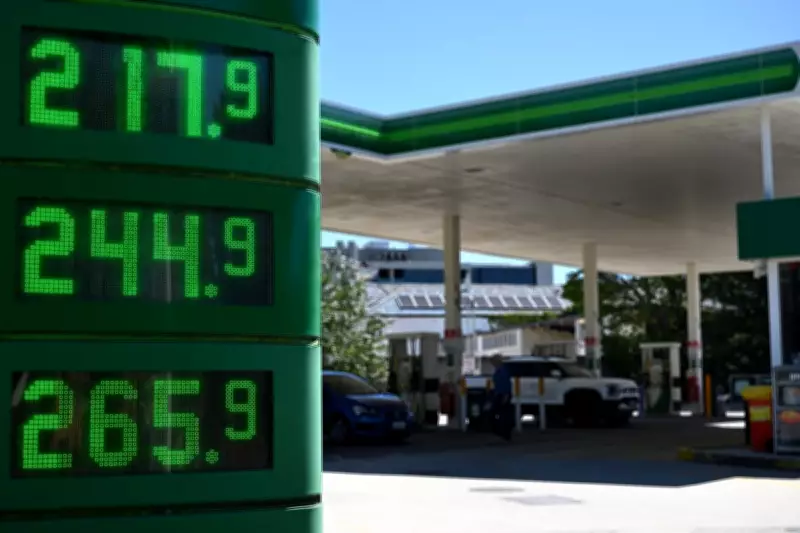
The global oil markets have been severely disrupted after Iran closed the Strait of Hormuz, one of the world's most critical oil corridors, in response to strikes by the US and Israel. This closure has pushed unleaded petrol prices above $2.20 per litre in major Australian cities, while diesel has surged past $2.60 per litre. Khoury advised motorists to avoid service stations charging well above average prices and to report such instances to the ACCC.

Record High Prices and Supply Concerns
Wholesale fuel prices have reached record highs, narrowing the gap with retail prices and driving costs upward. Khoury noted that some terminals have recorded purchases at four times the usual rate, exacerbating the situation. He expressed confusion over why individuals would stockpile fuel when prices are at record highs, highlighting this as a major pressure point. The NRMA and ACCC are committed to monitoring prices nationwide to prevent unreasonable increases, as elevated fuel costs could severely impact the economy by reducing mobility.
Impact on Regional Areas and Economy
Supply concerns were also discussed during the ACCC meeting, with a focus on independent service stations in regional areas. These operators, often the cheapest, are struggling to access fuel at terminals, raising fears that reduced competition could drive prices even higher. Khoury stressed the critical importance of ensuring consistent fuel supply to regional centres, particularly for farming communities, as disruptions could affect food production. He warned that further price increases are likely, with many large trucking companies set to renegotiate monthly fuel contracts after nearly three weeks of conflict, and these rising costs are expected to be passed on to consumers, impacting supermarket aisles and various services.
Long-Term Outlook and Recommendations
Khoury predicted that elevated fuel prices are likely to persist until the conflict ends or a solution is found to reopen the Strait of Hormuz. He reiterated that panic buying remains a key driver of the current pressure and urged Australians to avoid it to prevent further economic headaches. By reporting overcharging and refraining from stockpiling, motorists can help stabilize the fuel market and mitigate the broader economic impacts.