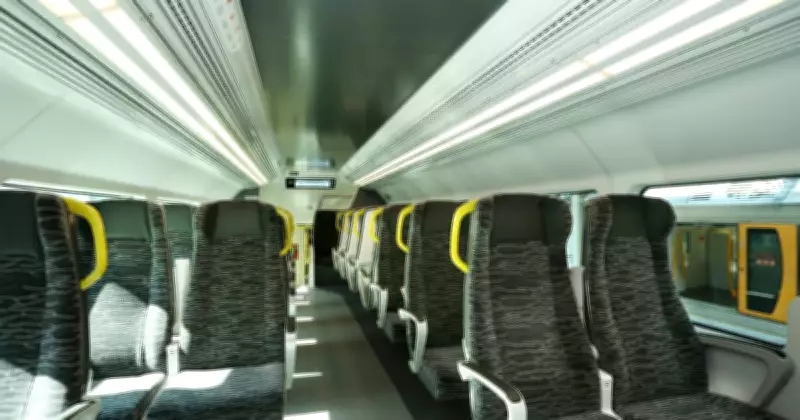
The much-anticipated Mariyung fleet, featuring fixed seating arrangements, has generated surprisingly few complaints from passengers after initial concerns were raised about comfort and flexibility. The new trains, which have been gradually introduced across the network, were met with skepticism when the design was first unveiled. However, recent feedback suggests that travelers have adapted well to the fixed seats, with only a handful of formal complaints lodged since the rollout began.
Initial Concerns Over Fixed Seating
When the Mariyung fleet was first announced, commuters expressed worries about the lack of adjustable seating. Many feared that fixed seats would lead to discomfort during long journeys and reduce the ability to accommodate passengers with specific needs. Transport authorities acknowledged these concerns but emphasized that the new design was based on extensive research into passenger comfort and safety.
Positive Passenger Feedback
Despite the initial skepticism, passenger feedback has been largely positive. Surveys conducted by the transport department indicate that the majority of travelers find the seats comfortable and appreciate the additional legroom and improved layout. The fixed seats have also contributed to smoother boarding and alighting, as well as better crowd management during peak hours.

Complaint Statistics
Official data reveals that fewer than 50 complaints have been registered regarding the fixed seats since the fleet entered service. This represents a fraction of the total number of passengers who have traveled on the Mariyung trains. The complaints primarily relate to personal preference rather than any functional issue, with some passengers expressing a desire for reclining seats or more flexible configurations.
Comparison with Other Fleets
Compared to other train fleets in Australia, the Mariyung's complaint rate is notably low. For instance, older trains with adjustable seating have historically received higher numbers of complaints about seat comfort and maintenance. The fixed seat design appears to have minimized common issues such as broken reclining mechanisms or misaligned seats.
Future Implications
The success of the Mariyung fleet's fixed seats may influence future train designs across the country. Transport planners are now considering whether fixed seating could be a viable option for other new fleets, particularly for routes with high passenger turnover. The reduced maintenance costs and improved durability of fixed seats are additional benefits that have been highlighted by the positive reception.
In conclusion, while initial concerns about the Mariyung fleet's fixed seats were understandable, the actual passenger experience has been overwhelmingly favorable. The low number of complaints suggests that commuters have embraced the new design, which prioritizes efficiency and comfort. As more Mariyung trains enter service, it is expected that the positive trend will continue.