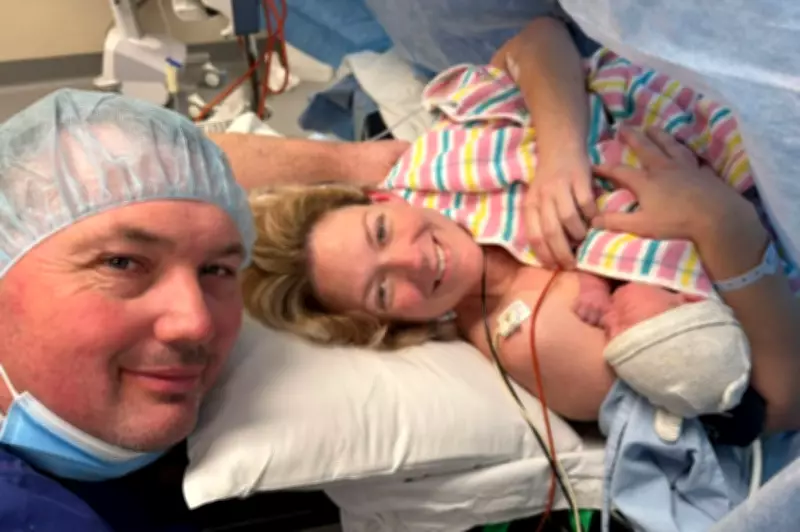
Young Freeling Mother Forced to Switch Hospitals While in Labour
A young mother from Freeling was forced to transfer to another hospital while in active labour due to a lack of available beds, raising serious concerns about the state of regional maternity services in South Australia.
The 24-year-old woman, who wished to remain anonymous, went into labour at home on Monday morning and was initially taken to the Freeling Hospital. However, upon arrival, she was told that the maternity unit was at full capacity and that she would need to be transferred to the Gawler Health Service, approximately 30 kilometres away.
She was transported by ambulance while experiencing contractions every three minutes. Her partner followed in their car and later expressed frustration and distress over the ordeal. “It was terrifying,” he said. “She was in pain, and we had no choice but to be moved. It felt like we were being abandoned.”

The couple arrived at Gawler Health Service just in time, and the baby was delivered safely a few hours later. Both mother and child are now recovering well. However, the experience has left them questioning the reliability of local healthcare services.
The incident has sparked a broader debate about the state of maternity care in rural and regional areas. The Australian Medical Association (AMA) South Australia has repeatedly warned that regional maternity units are underfunded and understaffed, leading to frequent closures or bed shortages.
Dr. Sarah Mitchell, a spokesperson for the AMA, said the situation in Freeling is not isolated. “We are seeing similar issues across the state. When a woman in labour cannot access a bed in her local hospital, it is a clear sign that the system is under immense strain. This is not only distressing for the family but also poses potential risks to both mother and child.”
The South Australian Department for Health and Wellbeing acknowledged the incident and stated that it is reviewing the case. A spokesperson said, “We understand that this would have been a stressful experience for the family. We are committed to ensuring that all women have access to safe and timely maternity care, and we are working with local health networks to address capacity issues.”
The Freeling Hospital’s maternity unit has been under pressure for several years. In 2024, a report by the SA Health Ombudsman highlighted that the unit had experienced a 20% increase in births over the previous five years without a corresponding increase in staff or beds. The report recommended urgent upgrades, but little progress has been made.
Local MP for the region, John Harrison, has called for an immediate investigation into the incident. “This is unacceptable. No woman should have to go through the trauma of being transferred while in labour. We need to ensure that our regional hospitals are properly equipped and staffed to meet the needs of our communities.”
Community members have also voiced their concerns. A petition started by local residents demanding better maternity services has already garnered over 2,000 signatures. The petition calls for the state government to allocate additional funding to the Freeling Hospital and to develop a long-term plan for regional maternity care.
In response to the growing outcry, the state government has announced that it will conduct a review of maternity services across the region. The review is expected to be completed within three months and will include consultations with healthcare professionals, patients, and community groups.
Meanwhile, the family involved in the incident is focusing on their new arrival. “We are just grateful that our baby is healthy,” the father said. “But we don’t want anyone else to go through what we did. Something needs to change.”
The incident has also drawn attention to the broader challenges facing rural healthcare in Australia. According to the Rural Doctors Association of Australia, more than 40% of rural maternity units have closed or reduced services in the past decade. This has forced many women to travel long distances to give birth, increasing the risk of complications and adding to the emotional and financial burden on families.

As the debate continues, the Freeling family’s story serves as a stark reminder of the urgent need for investment in regional health infrastructure. For now, they are enjoying their time with their newborn, but they remain determined to advocate for better services for others in their community.