Romance scams have surged across Western Australia, devastating victims both emotionally and financially. In 2025 alone, these heartless cons swindled West Australians out of $3.8 million, shattering countless lives in the process. While more men reported falling prey to these schemes, women bore the brunt of the financial devastation, suffering the largest monetary losses.
Valentine's Day Warning from Authorities
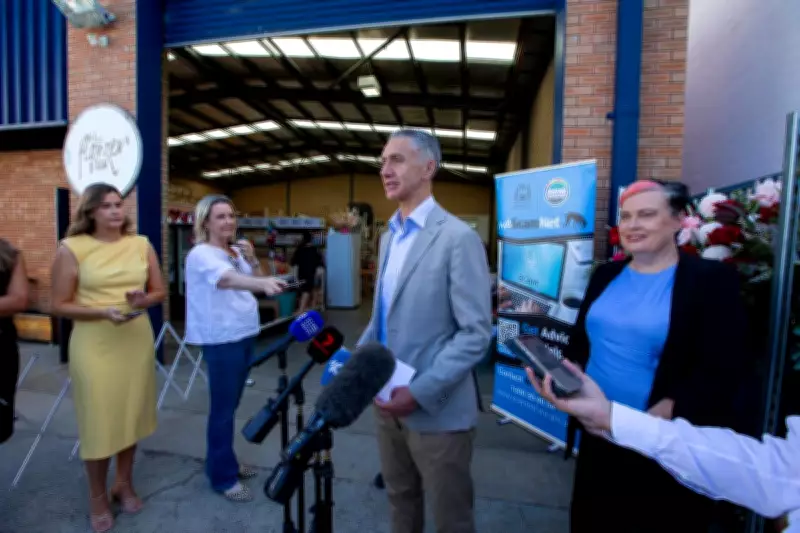
Commerce Minister Tony Buti issued a stark Valentine's Day alert, highlighting the escalating threat and urging the public to recognise the warning signs before it's too late. "Just do not transfer money online to someone you do not know," Dr Buti emphasised. He described romance scammers as "patient operators" who may spend months cultivating trust before making their move for cash.
Alarming Increase in Reported Cases
Official data reveals a troubling upward trend. In 2025, 63 Western Australians reported romance scam losses to ScamNet, the Department of Local Government, Industry Regulation and Safety's Consumer Protection division. This marks a significant rise from the 55 cases reported in 2024. The total financial losses reported in 2024 reached a staggering $4.98 million, underscoring the severe economic impact of these crimes.

Sophisticated Scammer Tactics Exposed
Authorities have identified two primary methods employed by these fraudsters:
- Romance Baiting: Victims are groomed into fake investment schemes, frequently involving cryptocurrency.
- Traditional Romance Scams: Offenders build deep emotional connections over months or even years before requesting money or pressuring victims into making risky transfers.
Common red flags include:
- Intense, premature affection often described as "love bombing".
- Attempts to shift conversations away from legitimate dating platforms to encrypted apps like WhatsApp.
- Elaborate cover stories about being overseas or in difficult situations.
- Financial requests, often framed as emergencies or investment opportunities.
- Deliberate efforts to isolate victims from their support networks of friends and family.
Emotional Manipulation and Isolation
"What they will do is try and isolate you," Dr Buti warned. "They will try and get you in an encrypted message and say 'don't speak to your family. This is a very romantic, secretive relationship that we are forming.' This is a red flag." He advised online daters to trust their instincts and consult trusted confidants, as scammers rely on secrecy to prevent others from uncovering their deceit.
Devastating Personal Consequences
The human cost of these scams is profound. Australians aged 65 and over recorded the highest losses of any age group. Consumer Protection Commissioner Trish Blake revealed that once money is stolen, recovery is virtually impossible. "I saw one lady who lost well over $800,000 and that was her selling her home and cashing in all of her superannuation," Ms Blake shared.
In this heartbreaking case, a West Australian woman in her late 60s or early 70s was convinced by a scammer that they would build a life together. "The scammer had convinced her that they were going to move in together when he returned to Australia and that he would invest the money safely and that they would buy a beautiful home together," Ms Blake explained. "Unfortunately, she lost everything, so she was homeless and without superannuation. She had to move back in with her elderly mother."
Protection and Reporting Resources
West Australians are encouraged to remain vigilant and report any suspicious activity. Scam reports can be lodged via the WA ScamNet website. Enquiries can be directed to Consumer Protection by email at consumer@lgirs.wa.gov.au or by phone on 1300 30 40 54. Individuals concerned about compromised personal information are advised to contact IDCARE for specialist support.