Western Australia is at risk of missing out on Australia’s booming data centre industry, which is projected to be worth $142 billion by 2030, according to a new report. Despite having ideal conditions such as abundant land, renewable energy resources, and a strategic location for undersea cables, the state is falling behind due to high energy costs, a shortage of skilled workers, and a lack of government incentives.
The National Picture
Australia’s data centre market is experiencing unprecedented growth, driven by the surge in cloud computing, artificial intelligence, and digital services. The sector is expected to attract $142 billion in investment over the next five years, with major hubs emerging in Sydney, Melbourne, and Canberra. These cities benefit from established infrastructure, government support, and access to a skilled workforce.
WA’s Challenges
Western Australia, however, faces several obstacles. Energy costs in the state are among the highest in the country, making it expensive to power the energy-intensive facilities. The state also struggles with a shortage of data centre engineers, technicians, and IT professionals. Additionally, there are fewer incentive programs compared to other states, which have introduced grants, tax breaks, and streamlined planning approvals to attract data centre investments.

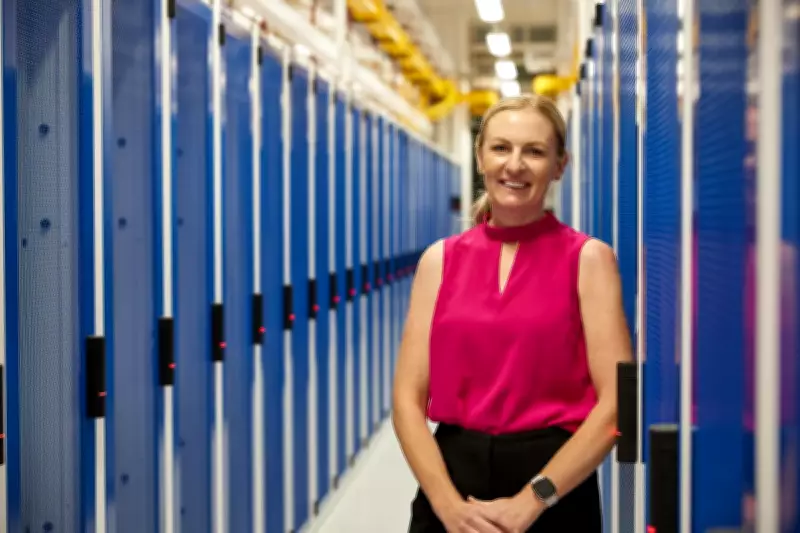
NEXTDC, one of Australia’s leading data centre operators, has highlighted these issues. Claire Sangster, NEXTDC’s head of regional sales, said, “Western Australia has the potential to be a major player, but we need to address these barriers. The state’s renewable energy resources and land availability are significant advantages, but without competitive energy pricing and a skilled workforce, we will continue to see investment flow to the eastern states.”
Opportunities on the Horizon
Despite the challenges, there are signs of progress. The Western Australian government has announced plans to develop a digital infrastructure strategy, which includes exploring ways to reduce energy costs and improve training programs. Industry bodies are also calling for more collaboration between government, education providers, and the private sector to build a pipeline of skilled workers.
What Needs to Change
To tap into the $142 billion opportunity, experts recommend that WA introduce targeted incentives, such as reduced electricity tariffs for data centres, and invest in vocational training for digital infrastructure roles. Streamlining planning approvals for new facilities and promoting the state’s renewable energy credentials could also make it more attractive to investors.
“The data centre industry is critical for our digital future,” said a spokesperson for the Australian Data Centre Association. “Western Australia cannot afford to be left behind. With the right policies, it can become a key hub for data storage and processing, creating jobs and boosting the local economy.”
As the national data centre boom accelerates, all eyes are on WA to see if it can overcome its challenges and claim its share of the $142 billion prize.