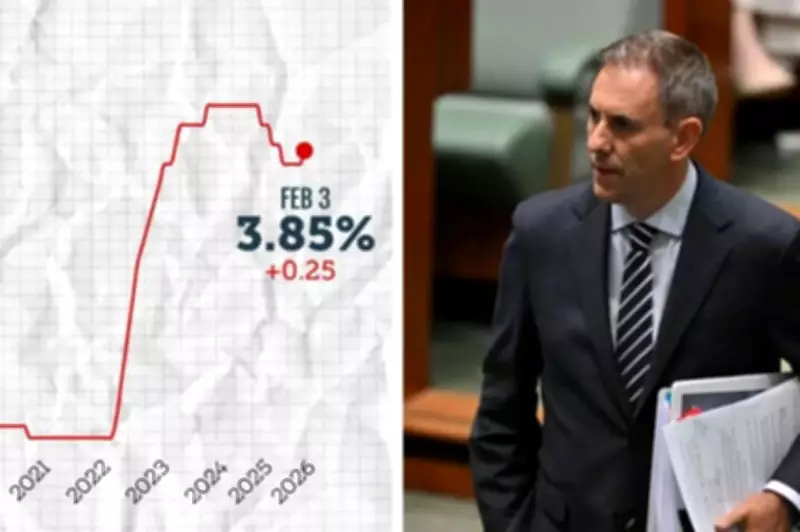
Australia is currently embroiled in a heated tax war, with political parties and stakeholders intensifying their debates over tax rates amid mounting economic pressures. This conflict centers on proposed adjustments to taxation policies, sparking widespread discussions on fiscal strategy and its implications for the nation's financial future.
Political Clash Over Tax Adjustments
The tax war has escalated as major political factions present opposing views on rate changes. Proponents argue that adjustments are necessary to stimulate economic growth and address budget deficits, while opponents warn of potential negative impacts on households and businesses. This divide has led to a stalemate in policy discussions, with both sides refusing to back down.
Economic Factors Fueling the Debate
Economic pressures, including inflation and global market uncertainties, are driving the urgency of the tax rate debate. Analysts suggest that without timely reforms, Australia could face increased financial strain. The debate also touches on issues of fairness and efficiency, with calls for a balanced approach that considers both revenue generation and economic competitiveness.

Stakeholders from various sectors, including business leaders and community groups, are actively participating in the discourse. Their input highlights the complex interplay between tax policy and broader economic health, emphasizing the need for careful consideration in any rate adjustments.
Future Implications and Reforms
As the tax war continues, experts predict that the outcome will significantly influence Australia's economic trajectory. Potential reforms could include changes to income tax brackets, corporate tax rates, or new incentives for investment. The ongoing debate underscores the critical role of taxation in shaping national prosperity and stability.
In conclusion, Australia's tax war over rates remains a pivotal issue, with high stakes for the country's economic future. The intensifying debate reflects broader concerns about fiscal management and the need for sustainable policies in challenging times.