

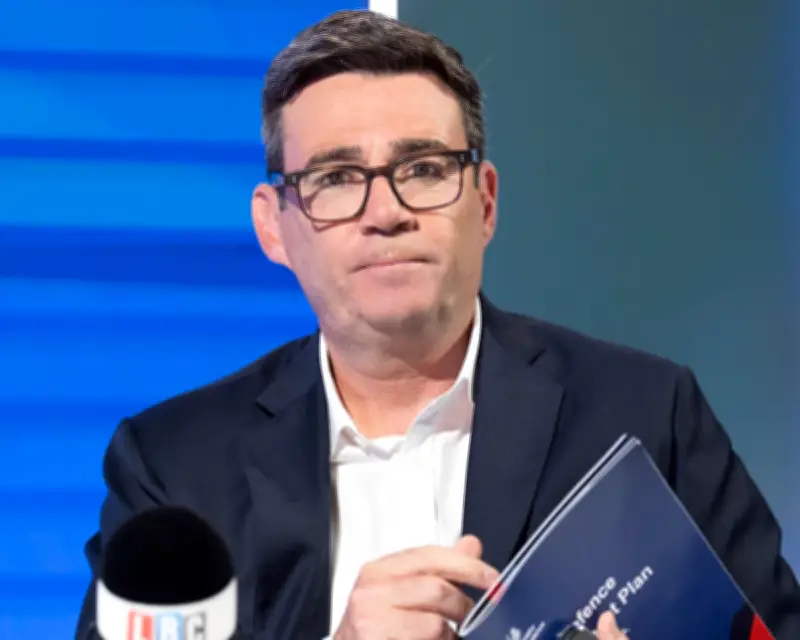
Andy Burnham, the prime minister-presumptive, is preparing to replace Keir Starmer amid significant economic headwinds. While he has committed to a "new direction" for Britain, the same old problems persist: elevated borrowing, national debt at its highest since the 1960s, weak growth, and rising demands for spending on defence, net zero, and an ageing population. Under pressure from bond markets, Burnham has pledged to stick to Labour's current fiscal rules.
Falling Energy Prices Offer Some Relief
Despite the challenges, there are signs that Burnham could catch a break. The recent pullback in energy prices, gilt yields, and City expectations for interest rates are easing the hit to public finances caused by the US-Israeli war on Iran. In recent weeks, the global oil price has fallen to $72 a barrel, levels last seen before the war broke out, amid hopes of a ceasefire. Some analysts forecast it could drop to $60 by year-end.
As a result, economists see a potential turning point. Inflation risks are fading, easing pressure on central banks to hold interest rates high. Financial markets have rallied, and government borrowing costs have fallen from recent highs. At the peak of hostilities, there were fears UK inflation could rise to 4.5% and GDP growth fall to 0.7% this year. Now, Capital Economics estimates inflation closer to 3.5% and GDP growth of 1%. It expects the Bank of England to cut rates from 3.75% to 3% next year.

Fiscal Headroom Improves
As recently as May, Bank of America estimated that the £23.6bn of "headroom" Rachel Reeves had against the main fiscal rule had been reduced by about £10bn due to the Iran war. Now, it estimates a hit of about £4.6bn. Others predict little or no impact. However, the economy is not out of the woods. Inflation is higher than it would have been without the Middle East conflict, growth is faltering, and households remain under serious strain.
Burnham will need more than luck to fix long-term challenges. In turbulent geopolitical times, the capacity for a leftfield shock remains high, especially with an unpredictable US president in office. Voters are fed up, and times are still hard. Burnham must act fast with the next general election approaching.
Balancing Caution and Radicalism
Keeping some headroom is important to assuage City concerns. With Keir Starmer's unfunded defence investment plan leaving £4.7bn over four years, Burnham will start on the back foot. His promises of higher spending on council housing, infrastructure, and cost of living support will not come cheap. A Burnham government would likely need to consider tax increases, yet he has committed to Labour's 2024 manifesto promise not to raise taxes on work.
There is a lively debate within Burnham's camp over the mix of caution and radicalism, and the timing of any cost of living package. Insiders say there is a desire to avoid the drawn-out tax speculation seen after Labour's July 2024 landslide. "If you do it in autumn can you accelerate the process? Can you bring it forward?" says one figure close to the prime minister-in-waiting.
Some advisers warn against a kneejerk populist package, fearing tight fiscal constraints and anti-business rhetoric could harm investment. However, voters will make cost of living the primary issue regardless. "You can't avoid the No 1 issue. You have to try," says one insider. Polling shows an "economic populist" approach could help Labour retain its majority against Reform UK. If the backdrop improves as hoped, Burnham could take advantage.