Economist Advocates for $100 Billion Budget Reduction to Address Inflation Concerns
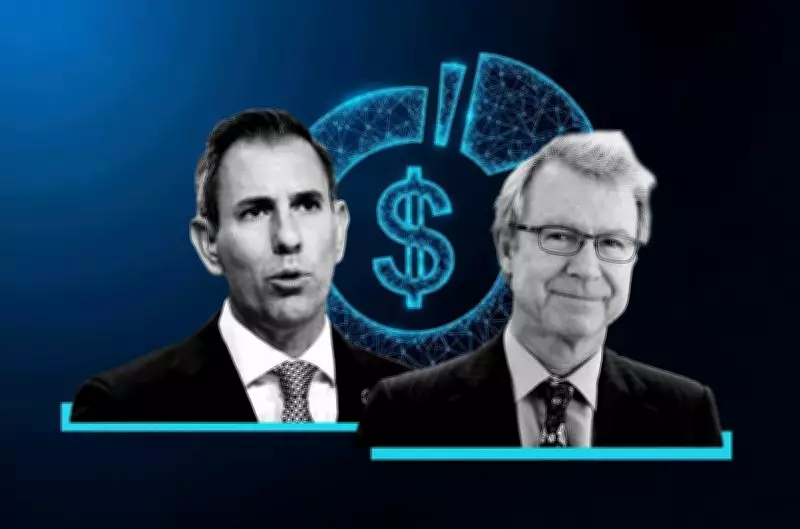
AMP chief economist Shane Oliver has issued a stark warning to Treasurer Jim Chalmers, urging him to implement substantial budget cuts totaling $100 billion over the next four years. This move is aimed at combating persistent inflation, which has recently climbed to 3.7 per cent, and mitigating the economic disruptions caused by ongoing conflicts in the Middle East.
Dr. Chalmers is currently in the final stages of preparing what he has described as a reform-oriented budget, set to be unveiled on May 12. This budget is intended to boost productivity and strengthen the Australian economy. However, these plans are under significant strain due to inflationary pressures and external geopolitical factors that are impacting major industries.
Government Spending at a 40-Year High
Since the COVID-19 pandemic, government spending has surged to approximately 28 per cent of the national economy, marking the highest level in four decades. This increase has contributed to heightened demand and drawn workers away from the private sector, exacerbating capacity constraints. Dr. Oliver emphasized that this surge in public expenditure has left minimal room for growth in private spending, including consumer activity, home building, and business investment.

He stated, "This surge in public spending has left little room for a pickup in private spending — consumer, home building and business investment. When the pick up occurred last year, the economy quickly ran up against capacity constraints and hence a rebound in inflation. Federal spending has been part of this surge."
Proposed Cuts and Economic Implications
To address this issue, Dr. Oliver proposes reducing public spending to 25 per cent of national output, which would necessitate cuts of about $100 billion over four years. While this figure appears substantial, it represents a fraction of the approximately $3 trillion the government is projected to spend during the same period. Key areas for potential cuts include:
- Trimming the National Disability Insurance Scheme (NDIS), which has been growing at over 10 per cent annually.
- Implementing more aggressive reductions to the public service.
- Introducing stricter means testing for welfare programs.
Additionally, Dr. Oliver cautioned that any cost of living relief measures should be limited to around $5 billion to avoid worsening inflation and prompting further interest rate hikes by the Reserve Bank of Australia (RBA). Financial markets are already anticipating two more rate increases this year, partly driven by historical parallels to the 1970s, when oil shocks led to prolonged inflationary periods.
Budget Outlook and Tax Reform Speculation
In response, Treasurer Chalmers has pitched an "ambitious" budget focused on reducing compliance costs, generating savings, and enhancing productivity. He affirmed, "This Budget will be a responsible budget. It will be focused on resilience and reform." Meanwhile, ANZ head of Australian economics Adam Boyton forecasts a deficit of $36 billion for the next financial year, which is expected to continue exerting pressure on the economy. He noted that while higher gas prices might boost revenue by $10 billion to $12 billion, spending is likely to outpace these gains.
Boyton explained, "We think that ongoing program cost pressures and new measures will more than offset any expense savings in the budget." There is also speculation that the Federal Government may consider tax system reforms, including adjustments to capital gains discounts and negative gearing policies.
Call for Comprehensive Tax Overhaul
Dr. Oliver acknowledged the potential merits of such tax changes but stressed the need for a broader overhaul. He warned that minor adjustments could result in a de facto tax hike, making the system more progressive and undermining incentives without effectively addressing housing affordability or intergenerational equity. Instead, he advocated for a comprehensive tax reform package, including:

- Lower personal tax rates with higher thresholds.
- A reduced corporate tax rate.
- A higher and more comprehensive Goods and Services Tax (GST).
- Compensation for low-income earners and welfare recipients affected by GST increases.
- Indexation of tax brackets to inflation.
- Replacement of stamp duty with a land tax.
As the budget deadline approaches, the government faces mounting pressure to balance fiscal responsibility with economic growth, navigating complex challenges in a volatile global environment.