HSBC Economist Paul Bloxham Issues Warning on Australian Economic Downturn in June Quarter
In a stark assessment of the nation's financial landscape, HSBC's chief economist for Australia, Paul Bloxham, has raised alarms about a potential economic downturn looming in the June quarter. This warning comes amid a backdrop of escalating global conflicts and persistent interest rate hikes, which are collectively exerting significant pressure on Australia's economic growth prospects.
Global Conflicts and Monetary Policy Tightening Weigh Heavily on Growth
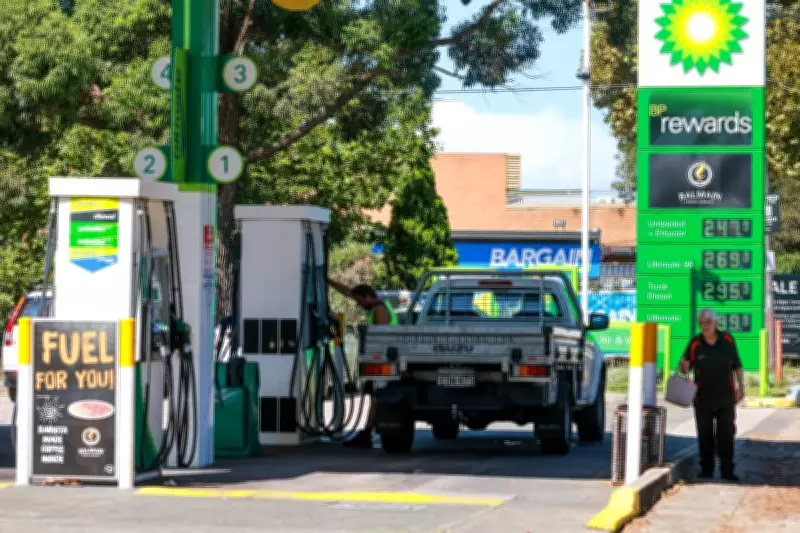
Bloxham points to ongoing wars and geopolitical tensions as key external factors that are disrupting international trade and supply chains, thereby dampening economic activity. Simultaneously, the Reserve Bank of Australia's aggressive monetary policy stance, characterized by successive interest rate increases, is stifling domestic consumption and investment. These dual challenges are creating a perfect storm that could lead to a contraction in the economy during the upcoming June quarter.
Detailed Analysis of Economic Indicators and Forecasts
According to Bloxham's analysis, several economic indicators are flashing warning signs. Consumer confidence has been waning as households grapple with higher borrowing costs and inflationary pressures. Business sentiment is also turning cautious, with many companies delaying expansion plans due to uncertainty. HSBC's forecasts suggest that if current trends persist, Australia could see a notable slowdown, with growth potentially dipping into negative territory for the quarter.

Key factors contributing to this downturn risk include:
- Prolonged global conflicts affecting commodity prices and export markets.
- Rising interest rates increasing the cost of debt for both consumers and businesses.
- Inflationary pressures eroding purchasing power and reducing disposable income.
- Supply chain disruptions leading to higher input costs and production delays.
Broader Implications for the Australian Economy and Policy Responses
The potential downturn has far-reaching implications for various sectors of the Australian economy. The housing market, already under strain from higher mortgage rates, could face further declines in activity. Employment growth may slow, and wage pressures could intensify as businesses adjust to weaker demand. Bloxham emphasizes that policymakers need to carefully balance monetary and fiscal measures to mitigate these risks without exacerbating inflationary trends.
In conclusion, Paul Bloxham's warning underscores the fragile state of the Australian economy as it navigates a complex global environment. Stakeholders across the board are urged to prepare for potential headwinds in the coming months, with a focus on resilience and adaptive strategies to weather the storm.