

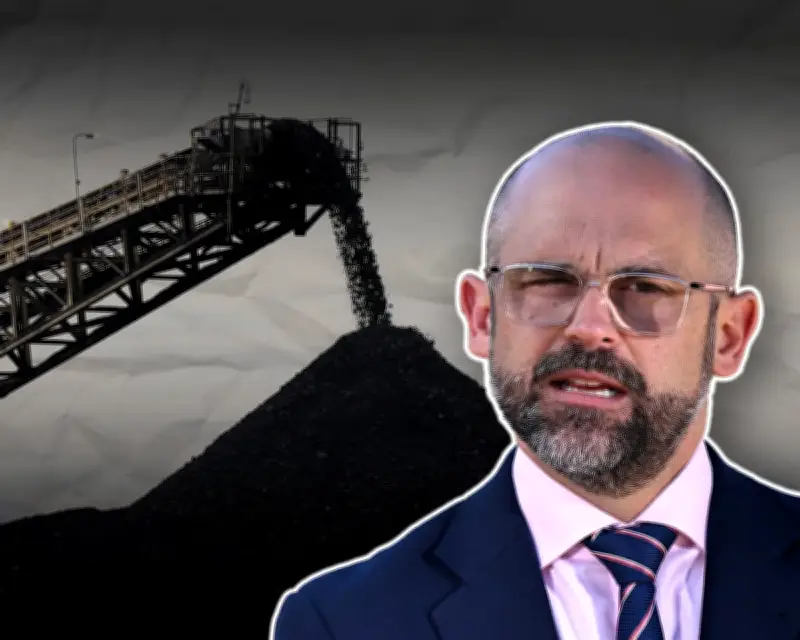
Queensland's economy is teetering on the edge of a credit rating downgrade, despite a record $5.2 billion windfall from coal royalties, according to a new report from the state's Auditor-General. The warning comes as the state's debt levels continue to climb, raising concerns about long-term fiscal sustainability.
Debt Levels and Fiscal Pressures
The Auditor-General's report, released on Wednesday, reveals that Queensland's general government debt is projected to reach $85 billion by 2025-26, up from $43 billion in 2019-20. This rapid increase has been driven by infrastructure spending and pandemic response measures, but the state's revenue growth has not kept pace. The report warns that without significant fiscal consolidation, Queensland risks losing its AAA credit rating, which it currently holds from two of the three major agencies.
"The state's financial position is under significant pressure, and the reliance on volatile coal royalty revenues is a key risk," the report states. "While the recent windfall from high coal prices has provided a temporary buffer, it does not address the underlying structural issues."

Coal Royalty Windfall and Its Limits
Queensland's coal royalty revenues surged to $5.2 billion in 2022-23, more than double the previous year, thanks to soaring global coal prices following the war in Ukraine. However, the Auditor-General cautioned that these revenues are highly unpredictable and could decline sharply as global energy markets shift. The state government has used the windfall to fund new spending initiatives and boost infrastructure projects, but critics argue it has missed the opportunity to pay down debt.
"The government is spending like there's no tomorrow, but the coal boom won't last forever," said opposition treasury spokesman David Janetzki. "We need a credible plan to get debt under control and protect our credit rating."
Impact on Services and Investment
A credit rating downgrade would increase borrowing costs for the state government, potentially squeezing funding for essential services such as health and education. It could also deter private investment, as investors often view lower-rated jurisdictions as riskier. The report notes that Queensland's debt-to-revenue ratio is already among the highest of any Australian state, and further deterioration could trigger a downgrade within the next 12 months.
Treasurer Cameron Dick acknowledged the challenges but defended the government's approach. "Our economy is strong, and we are investing in the infrastructure that Queenslanders need," he said. "We are committed to fiscal responsibility, but we will not cut essential services to achieve it."
Path Forward
The Auditor-General recommends that the government develop a clear debt reduction strategy, including measures to diversify revenue sources and control spending. The report also calls for greater transparency in budget forecasting, particularly around royalty revenues. With the next state election due in 2024, fiscal management is expected to be a key battleground.
As Queensland's economy navigates these challenges, the fate of its credit rating remains uncertain. The state's reliance on coal revenues, coupled with rising debt, presents a delicate balancing act for policymakers.