Melbourne Bin Strike Escalates: Rubbish Piles Up Across Northern Suburbs
Thousands of Melbourne families are now surrounded by mounting piles of rubbish, caught in the middle of a messy industrial dispute that is causing a major stench and health concern across the city's northern suburbs. Workers at multiple local councils have completely stopped collecting wheelie bins as they fight for higher wages, leaving residents to deal with weeks of rotting waste in increasingly warm conditions.
Families Drowning in Uncollected Waste
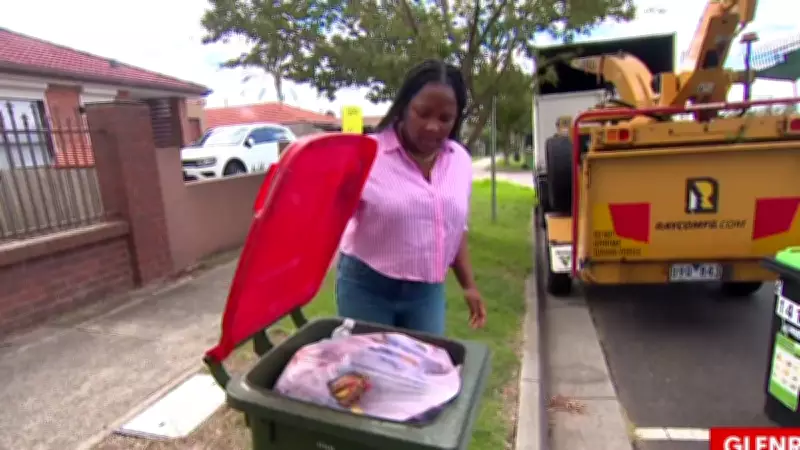
In suburban Glenroy, resident Promise Onwubinko's family is literally drowning in uncollected rubbish, with the smell of decaying food and soiled nappies becoming so overpowering that she has decided to leave her overflowing bin permanently on the side of the road. "I took it out last week, they didn't take it, I brought it in and I've had to take it back out," the single mother explained with visible frustration. "It's stinky, it needs to go. It'll probably be an offence to put rubbish in either the yellow or green bins but I don't know what to do anymore."
Workers Walk Off the Job Demanding Fair Pay
Approximately 70 council workers have walked off the job across the Darebin, Merri-bek, and Hume council areas, rallying outside depots and calling for what they describe as "fair pay" in line with rising living costs. Australian Services Union Victoria spokesperson Tash Wark revealed that workers are demanding an initial 10 percent pay rise, followed by 4 percent annual increases over the next three years. "Our members have been fighting for a year and a half just to get to the bargaining table," Wark told reporters. "They're taking this action regretfully—it's not their first choice. They love their jobs and are proud of the communities they support, but this is where we're at."

Wark emphasized that workers have watched their wages "fall by 10 percent in real terms over the last four years" due to inflation and cost of living pressures, making the current industrial action a last resort measure.
Government and Council Responses
The Australian Services Union has pointed fingers at the Victorian Government, claiming that mandated rate caps prevent councils from properly bargaining with workers over pay increases. Acting Premier Ben Carroll defended the government's position, stating: "It has been proven to support Victorians through cost of living pressures and to ensure that they have more money in their own pockets." The state government maintains that councils are negotiating in good faith, but the union warns that more strike action will be inevitable if a satisfactory deal is not reached soon.
Residents Forced to Wait Another Week
The ongoing dispute has left families dealing with the practical consequences, as residents are now forced to wait at least another week before any rubbish is finally cleared from their streets. The situation has created not only visual eyesores but genuine public health concerns as decomposing waste attracts pests and creates unsanitary conditions. Promise Onwubinko delivered a direct message to those responsible: "Do better. You can't leave families stranded like this. It's simply not fair."
The bin collection crisis highlights the broader tensions between public sector workers seeking wage increases that keep pace with inflation and government policies designed to control municipal spending. As the standoff continues, Melbourne's northern suburbs remain littered with overflowing bins, creating a visible symbol of the industrial dispute that shows no immediate signs of resolution.