The Australian government has announced a $10 billion fuel and fertiliser security plan to establish a government-owned fuel reserve of approximately one billion litres. This initiative, included in Prime Minister Anthony Albanese's upcoming budget, aims to bolster the nation's near-term fuel and fertiliser security.
Key Components of the Fuel Security Package
Under the Fuel Security and Resilience package, $3.2 billion will be allocated to create a government-owned fuel reserve, increasing Australia's critical fuel reserves to 50 days. Additionally, $7.5 billion will fund a new fuel and security facility to enhance supply and storage capacity for both fuel and fertiliser.
The budget also includes an extension of fuel holdings by 10 days through an uplift to the minimum stockholding obligation (MSO), supported by $34.7 million over four years. The government stated that changes will be implemented progressively, with support for investment in new and refurbished fuel storage infrastructure.

Feasibility Studies and Refining Capabilities
The government will collaborate with state governments to conduct feasibility studies into new or expanded refining capabilities. This builds on ongoing work with current refinery operators to maintain Australia's refining capacity beyond 2030.
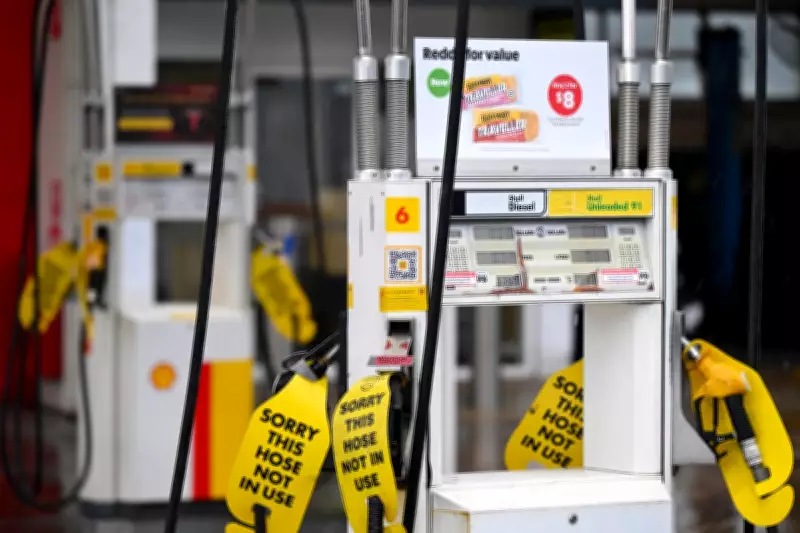
More details about the fuel package will be released when the Federal Budget is handed down next Tuesday. This announcement follows a series of fuel supply adjustments made in response to the ongoing conflict in the Middle East, including lowering the MSO for fuel and diesel and relaxing fuel standards to ensure affordable access.
Budget Context and Cost-of-Living Measures
Treasurer Jim Chalmers defended the upcoming budget on Wednesday, emphasising its focus on managing inflation pressures while providing cost-of-living relief. Speculation suggests the budget may include a one-off "earned income offset" worth between $200 and $300 for salaried workers, adding to existing support measures such as the temporary halving of the fuel excise and $1 billion in interest-free loans for businesses.
Chalmers declined to confirm the reports but stressed the budget would be "really responsible" and not pump excessive stimulus into the economy. He referenced Reserve Bank Governor Michele Bullock's comments on hypothetical scenarios, stating the budget aims to wind back spending where possible.