WA Premier Stands Firm on Secrecy Over Fuel Supplier Compliance
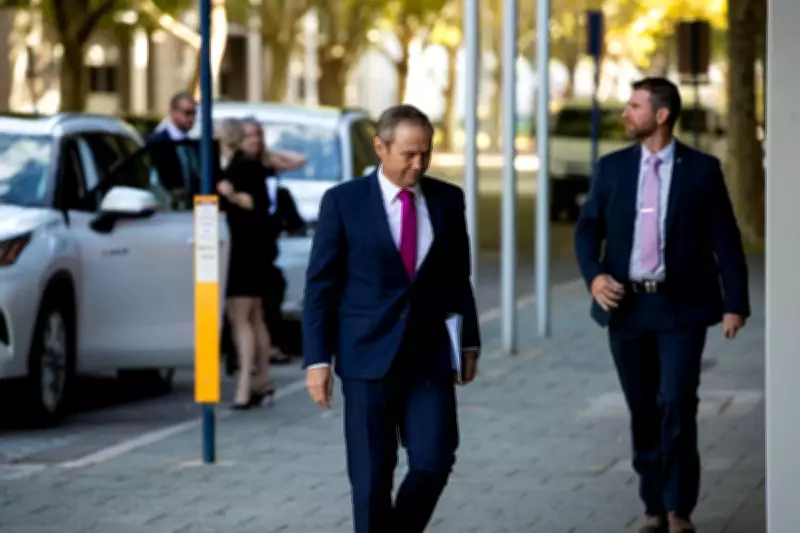
Premier Roger Cook of Western Australia has declared that the identities of fuel supply companies not adhering to emergency orders will remain confidential, contradicting his earlier emphasis on transparency. This stance emerged following the activation of state of emergency powers to compel fuel companies to disclose commercially sensitive data to the government.
Escalation in Government Action
The decision comes after it was revealed that three out of six companies ignored a voluntary request from the Premier last week to share information. However, the escalation appears effective, with Energy Minister Amber-Jade Sanderson reporting that a fourth company complied by Thursday morning.
When questioned about applying public pressure by naming non-compliant firms, Mr Cook dismissed the idea, stating, "We're not going to name names, look we don't do that in WA, we work together to make sure we get a good outcome." He argued that such actions would not enhance accountability and that the emergency powers provide necessary protections for companies concerned about legal breaches.

Opposition Calls for Full Disclosure
Opposition Leader Basil Zempilas countered the Premier's position, advocating for public disclosure. "The people of WA deserve to know which fuel companies haven't done the right thing," he asserted, emphasizing that transparency is crucial in this situation. While specific responses from companies like BP and Ampol remain unclear, it is understood that some have engaged with the government's requests.
Broader Energy Resilience Concerns
In related remarks, Mr Cook reflected on Australia's energy security, noting the closure of BP's Kwinana Refinery and its potential impact. He highlighted ongoing discussions with industry on biofuels and alternative energy projects to bolster economic resilience and sovereign manufacturing capabilities.
The Premier reiterated his commitment to ensuring fuel reaches critical regions like the Wheatbelt and Goldfields, underscoring the government's focus on long-term fuel security without public shaming of companies.