Fuel Price Relief Delayed: Australians Face Wait for Excise Cut Savings
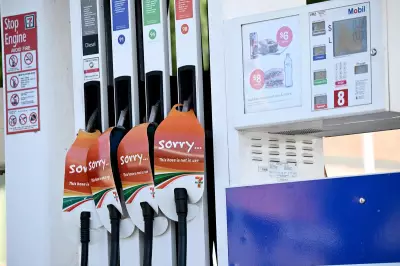
Fuel prices can surge within hours when global costs increase, but Australians are being informed they might have to wait days to see any savings flow through after the federal government's excise reduction takes effect at midnight. Energy Minister Chris Bowen has declined to confirm exactly when drivers will experience relief at the bowser, emphasizing that existing fuel stocks have already been taxed, meaning prices may not immediately reflect the cut.
Expert Insights on the Pricing Discrepancy
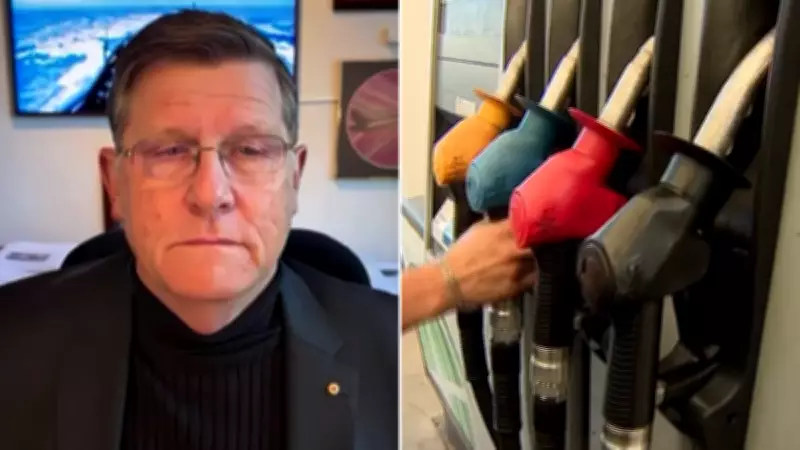
John Blackburn, a fellow of the Australian Institute of Energy, stated that while the explanation might not satisfy consumers, it is technically accurate. "They've already paid the tax when they got that fuel delivered to them ... so the next time the delivery comes, they won't have paid the tax," he explained during an interview on Sunrise. However, he acknowledged that the system does not operate symmetrically when prices rise. "It doesn't work the other way because with fuel that was already in the service stations, as soon as the international price went up, the price [at service stations] went up, and the argument then was it's going to cost more to replace it."
Market Anomalies and Consumer Impact
Blackburn described this discrepancy as an "anomaly" that ultimately leaves motorists bearing the cost. "The government actually hasn't got any power over this, it's up to how the fuel companies and the actual petrol stations work." He compared the situation to supermarket pricing, where costs are increased rapidly before discounts are introduced later. "This is how business works. Is it right? No. But by exposing this, we need to have a discussion in Australia about how consumers are treated as markets vary," he said. "What Chris said this morning is factually correct, but it's an example of a fundamental problem in how our markets work."

Timeline for Price Reductions and Government Action
While Bowen avoided specifying when prices would begin to fall, Blackburn suggested that if he were in the minister's position, he would estimate "about a week." He praised the government for collaborating to develop a plan but noted it should have been initiated earlier. "They should have done it a fair while ago ... but at least they came out and said to do something. They're probably a week or two behind what they should have done, now they can start acting."
Supply Chain Challenges and Public Trust Issues
With supply chains already under pressure, Blackburn indicated it could take time for the impact to flow through, but ultimately, lower prices should not lead to further supply limits. "Because the supply chain was pretty fragile before this started, and now we've tried to double the amount going through it, it's choking. That's because we've failed to address the vulnerabilities in the supply chain in the last 10 years, supply chain issues that we've talked to both sides of politics about," he said. He added that rising demand has been driven by public concern and a lack of confidence. "So what's actually driven the whole problem is people going, 'hang on, I don't trust these folks, so I'm going to head out and get the fuel I need'... so you can understand what they're doing." "It's that reaction and inability to trust the political system or to have the right type of leadership that's causing this problem."