Fuel Supply Crisis Hits Far North Queensland as Oil Giants Slash Allocations
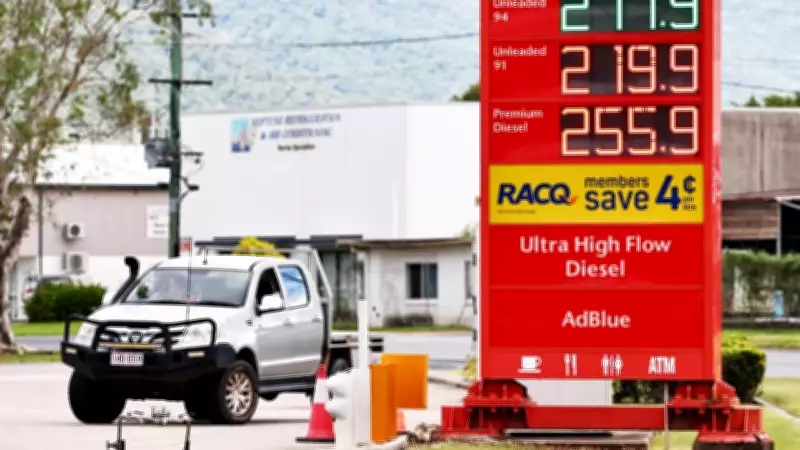
In a significant development impacting regional Australia, Far North Queensland is grappling with a severe fuel supply squeeze after major oil companies have drastically cut their allocations to the area. This move has led to widespread shortages, forcing local service stations to ration fuel and driving up prices for consumers and businesses alike.
Immediate Impacts on Local Communities
The reduction in fuel allocations has had an immediate and profound effect on communities across Far North Queensland. Reports indicate that many service stations are experiencing low stock levels, with some running dry entirely. This has prompted fears of a prolonged crisis, particularly in remote areas where fuel is essential for transportation, agriculture, and emergency services.
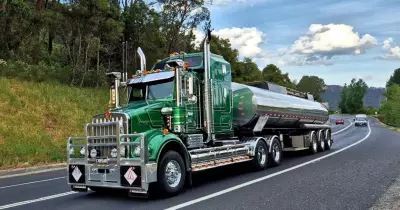
Local businesses are bearing the brunt of the shortages, with increased costs and operational disruptions. For instance, transport companies are facing delays and higher expenses, which could ripple through the economy, affecting everything from food supply chains to tourism. Residents are also feeling the pinch, as they contend with rising fuel prices and limited availability, making daily commutes and travel more challenging.

Causes Behind the Allocation Cuts
The decision by major oil companies to reduce fuel allocations stems from a combination of global and domestic factors. Industry analysts point to ongoing supply chain disruptions, increased demand in other regions, and strategic shifts in corporate distribution networks. Additionally, recent geopolitical tensions and fluctuations in crude oil prices may have influenced these cuts, though specific details from the companies involved remain scarce.
This situation highlights the vulnerability of regional areas to broader market forces, underscoring the need for more resilient fuel infrastructure and policies. Experts warn that without intervention, such shortages could become more frequent, exacerbating economic inequalities between urban and rural Australia.
Response from Authorities and Stakeholders
Local and state authorities are closely monitoring the situation, with calls for urgent action to address the fuel supply crisis. Queensland government representatives have expressed concern over the impacts on regional communities and are exploring options to mitigate the shortages, including potential regulatory measures or support for alternative fuel sources.
Stakeholders, including industry groups and consumer advocates, are urging transparency from oil companies regarding their allocation strategies. They emphasize the importance of maintaining reliable fuel supplies to support economic stability and community well-being in Far North Queensland.
Long-Term Implications and Solutions
Looking ahead, the fuel supply squeeze in Far North Queensland raises broader questions about energy security and sustainability in regional Australia. Potential long-term solutions include:
- Investing in local fuel storage and distribution facilities to reduce dependency on external allocations.
- Promoting the adoption of renewable energy and electric vehicles to diversify transportation options.
- Enhancing government oversight and contingency planning for fuel supply disruptions.
As the crisis unfolds, it serves as a stark reminder of the interconnectedness of global markets and local economies, prompting a reevaluation of how fuel resources are managed in vulnerable regions.