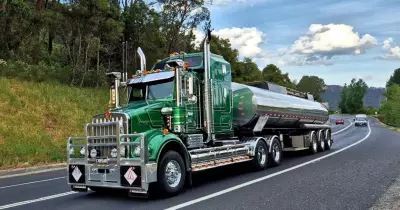
Amid growing concerns over fuel supply instability, fears are mounting that truckers could become stranded across Australia, prompting urgent calls for greater transparency and information sharing. Industry leader Paul Konstek has voiced strong demands for more detailed data and communication to address the looming crisis, which threatens to disrupt the nation's critical transport networks and economic operations.
Rising Anxiety in the Transport Sector
The transport industry is grappling with significant uncertainty as fuel availability issues intensify, with reports indicating that truck drivers may face the risk of being left without access to essential refueling stations. This situation has sparked widespread alarm among logistics companies and freight operators, who rely on consistent fuel supplies to maintain delivery schedules and support supply chains. The potential for stranded vehicles could lead to delays in goods movement, impacting everything from food distribution to industrial materials.
Paul Konstek's Call for Action
Paul Konstek, a prominent figure in the energy and business sectors, has emphasized the need for immediate action to mitigate these risks. He argues that without clearer information on fuel stocks, distribution plans, and contingency measures, truckers are operating in the dark, increasing the likelihood of operational breakdowns. Konstek's appeal highlights the broader implications for the economy, as transport disruptions can cascade into higher costs, reduced productivity, and potential shortages in key markets.

Broader Impacts on Supply Chains
The fuel uncertainty extends beyond individual truckers, affecting entire supply chains that are vital for Australia's economic health. Industries such as agriculture, retail, and manufacturing depend on reliable transport to move goods efficiently, and any stranding of trucks could result in bottlenecks and inefficiencies. Experts warn that prolonged fuel issues might exacerbate existing challenges in the logistics sector, including driver shortages and infrastructure constraints, further straining the nation's resilience.
Seeking Solutions and Transparency
In response to these concerns, stakeholders are urging government and industry bodies to enhance collaboration and data sharing. Proposals include real-time updates on fuel availability, emergency response protocols, and support mechanisms for affected drivers. By fostering greater transparency, authorities can help truckers plan routes more effectively and avoid potential stranding scenarios, thereby safeguarding the continuity of essential services.
As the situation evolves, the call for more information remains a critical priority, with Paul Konstek and others advocating for proactive measures to ensure the transport industry can navigate this period of uncertainty without major disruptions.