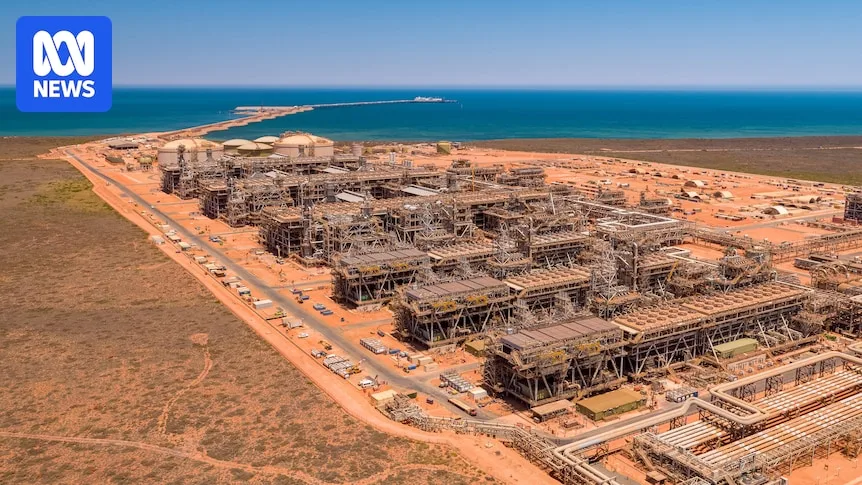
Four facilities supplying about two-thirds of Western Australia's gas remain offline after ex-Tropical Cyclone Narelle swept through the Pilbara region. Energy giants Santos, Chevron, and Woodside confirmed impacts to critical infrastructure, though the duration of the disruption remains unclear.
The affected projects account for almost two-thirds of WA's domestic gas supply over the past three months, according to the Australian Energy Market Operator. The outages come amid global concerns over liquefied natural gas (LNG) shortages, with the conflict in the Middle East ongoing.
Before weakening to a tropical low, ex-Tropical Cyclone Narelle intensified to category four strength on Thursday, with winds reaching 159 kilometres per hour on Barrow Island, home to Chevron's Gorgon gas facilities. One of three LNG production trains experienced an outage around 3pm Thursday, and Chevron's Wheatstone project had an offshore platform knocked offline earlier in the day.

Woodside suffered a production interruption at its Karratha Gas Plant, which processes gas from the North West Shelf project. The company said production is expected to recommence after it can mobilise its workforce to offshore facilities. Santos' Varanus Island plant tripped after winds reached 180 kilometres per hour; a spokesperson said normal operations will resume once conditions abate and personnel can safely re-enter.
WA Energy Minister Amber Jade Sanderson initially said she was not aware of damage but later acknowledged disruption. A state government spokesperson stated they are working with companies to ensure consistent domestic supply. Energy journalist Peter Milne described the situation as significant but cautioned against panic, noting reserves in the Dampier-Bunbury gas pipeline and underground storage.
Independent gas analyst Jeanette Roberts highlighted past interruptions, such as the 2008 explosion on Varanus Island that shut down nearly a third of the state's domestic supply for two months. The ABC approached multiple gas-fired power plants in WA's south for comment.