Tomago Aluminium's Future Secured as Multibillion-Dollar Deal Nears Finalisation
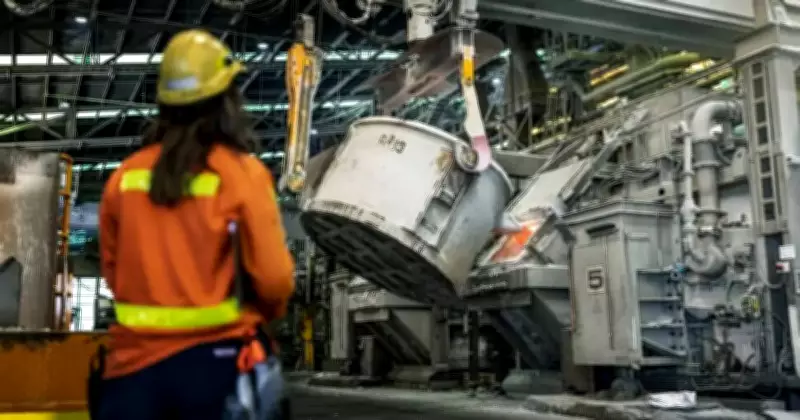
A multibillion-dollar agreement to secure the long-term operations of Tomago Aluminium is progressing steadily, with recent developments at Boyne Smelters in Queensland bringing the deal closer to completion. This initiative aims to ensure the stability of the Hunter Valley's largest private employer, which plays a crucial role in the regional economy.
Key Developments in the Negotiation Process
The deal has gained momentum following a successful agreement at Boyne Smelters, which has set a positive precedent for similar arrangements. Negotiations involve multiple stakeholders, including government bodies, energy providers, and corporate investors, all working towards a sustainable solution for the aluminium smelter.
This agreement is expected to address critical issues such as energy security and operational costs, which have been significant challenges for the industry in recent years. By securing a reliable energy supply, the deal aims to enhance the competitiveness of Tomago Aluminium in the global market.

Economic and Regional Implications
The Hunter Valley region stands to benefit substantially from this deal, as Tomago Aluminium employs thousands of workers and supports numerous local businesses. The stability provided by this agreement could lead to increased investment and job creation, reinforcing the area's industrial base.
Moreover, the deal aligns with broader national efforts to support heavy industries through strategic partnerships and policy reforms. It reflects a growing trend towards securing essential manufacturing sectors against economic volatility and environmental pressures.
- Enhanced energy security for long-term operations
- Potential for job retention and growth in the Hunter Valley
- Strengthened competitiveness in international aluminium markets
- Alignment with national industrial and environmental strategies
Future Outlook and Next Steps
As the deal moves towards finalisation, stakeholders remain optimistic about its implementation. Further discussions are scheduled to iron out remaining details, with a focus on ensuring that all parties' interests are adequately addressed.
The successful completion of this agreement could serve as a model for other industries facing similar challenges, demonstrating the value of collaborative approaches in securing critical infrastructure. Observers will be closely monitoring the progress, as it holds significant implications for Australia's industrial landscape.