WA Businesses Slam Fuel Excise Reduction as Mere Short-Term Relief
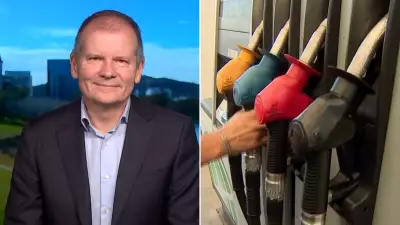
In a recent development, businesses across Western Australia have voiced strong criticism over the federal government's decision to halve the fuel excise, labeling it as a short-term fix that does little to tackle the underlying issues of rising energy costs. According to industry leaders, this measure provides only temporary relief and fails to address the long-term challenges faced by the sector.
Business Concerns Over Inadequate Solutions
Many WA business owners have expressed frustration, stating that the excise cut merely offers a brief respite without implementing sustainable strategies. They argue that while the reduction in fuel prices might ease immediate financial pressures, it does not solve the broader problems of inflation and supply chain disruptions that are driving up operational expenses.
Key stakeholders have highlighted that without comprehensive policy reforms, businesses will continue to struggle with high costs, potentially leading to reduced competitiveness and job losses in the region. This sentiment is echoed across various industries, from transportation to manufacturing, where fuel is a significant component of daily operations.

Long-Term Implications for the Economy
The halving of the fuel excise, introduced as part of broader economic measures, has been met with skepticism. Experts warn that such short-term interventions could lead to increased volatility in fuel markets and hinder investment in alternative energy sources. This approach may delay necessary transitions to more sustainable and cost-effective energy solutions, they caution.
Moreover, businesses are calling for a more holistic approach that includes incentives for energy efficiency, support for renewable energy adoption, and measures to stabilize fuel supply chains. They believe that only through such integrated efforts can long-term stability be achieved.
Government Response and Future Outlook
In response to the criticism, government officials have defended the excise cut as a necessary step to provide immediate relief to consumers and businesses amid global economic pressures. However, they have acknowledged the need for ongoing dialogue with industry representatives to develop more enduring solutions.
Looking ahead, WA businesses urge policymakers to move beyond temporary fixes and implement robust strategies that address the root causes of energy cost inflation. This includes exploring regulatory reforms, investing in infrastructure, and fostering innovation in the energy sector.
As the debate continues, it is clear that while the fuel excise reduction offers some short-term benefits, it falls short of meeting the long-term needs of Western Australia's business community. Stakeholders remain hopeful that future policies will deliver more sustainable outcomes to support economic growth and resilience.