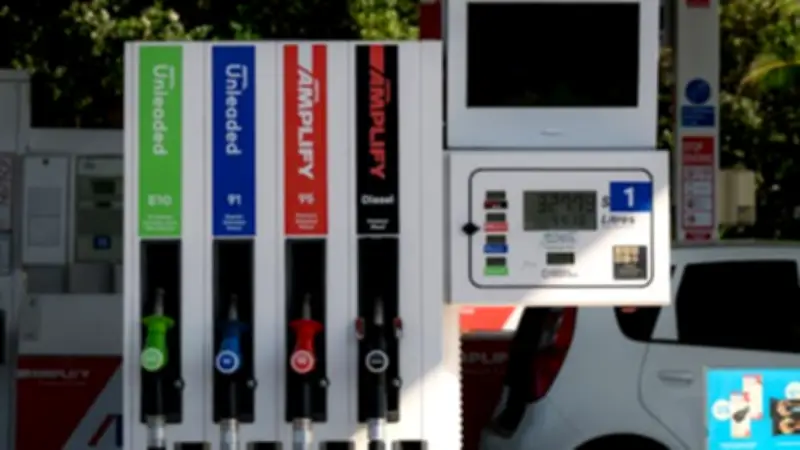
The federal government's temporary reduction in fuel excise is set to expire at the end of June, potentially increasing the cost of filling a 65-litre petrol vehicle by approximately A$19 from July 1. Prime Minister Anthony Albanese has left the door open to extending the cut for petrol or diesel, but experts argue the policy is a blunt instrument for achieving fairness.
The Cost of the Cut
The three-month cut has cost the government an estimated $2.55 billion in lost revenue. Before the reduction, the fuel excise stood at 52.6 cents per litre for petrol and diesel in passenger vehicles, and 32 cents per litre for heavy vehicles. In 2024–25, the excise raised $24.6 billion, though it is not directly allocated to road funding.
The government implemented the halving of the excise to offset financial stress from the Iran war-driven surge in oil prices. However, this has led to several problems, including a larger budget deficit and increased consumer spending, which work against the Reserve Bank's efforts to curb inflation through interest rate hikes.

Fairness and Alternatives
While industries like road transport and construction welcomed the relief, the policy benefits wealthy and poor drivers equally, offering little to households without petrol vehicles or those taking short trips. More targeted measures, such as increasing unemployment benefits or reducing lower income tax rates, could better assist low-income households.
The cut also acts as a subsidy for fossil fuels, discouraging the switch to electric vehicles (EVs) and encouraging road usage over public transit. With EV and hybrid sales reaching 46% of new vehicles in May, the government could consider a more radical reform: a road user charging system that applies to all drivers, replacing the fuel excise. This would treat petrol and electric vehicles equally, reduce congestion, and provide a sustainable revenue source for roads.