Alcoa's Western Australian Alumina Shipments to Abu Dhabi Refinery Encounter Strait of Hormuz Deadlock
Alcoa, a leading global aluminum producer, is currently facing significant logistical challenges as its alumina shipments from Western Australia to a refinery in Abu Dhabi have become ensnared in a deadlock within the critical Strait of Hormuz. This strategic maritime chokepoint, which connects the Persian Gulf to the Gulf of Oman, is a vital conduit for global energy and commodity trade, and the ongoing disruption is causing ripples across international supply chains.
Impact on Global Alumina Supply and Mining Operations
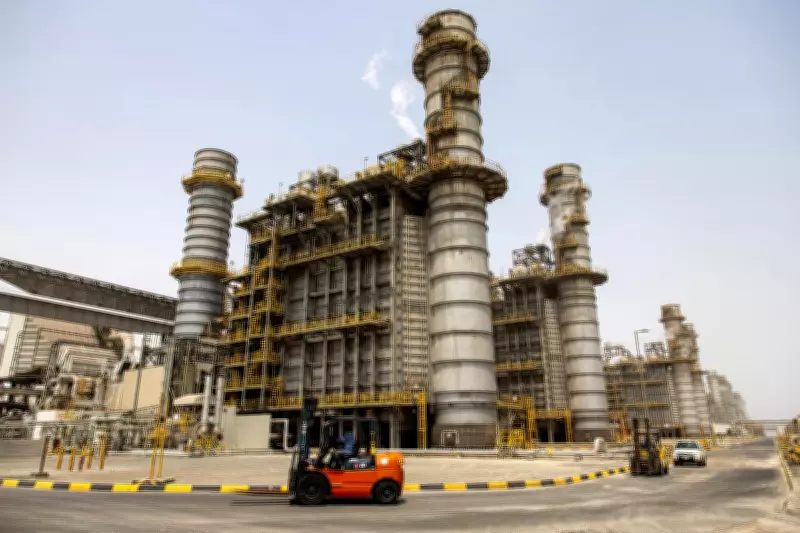
The deadlock in the Strait of Hormuz is directly affecting Alcoa's ability to transport alumina, a key raw material used in aluminum production, from its operations in Western Australia to the Abu Dhabi refinery. This refinery, which processes alumina into aluminum, relies heavily on these shipments to maintain its production schedules. The disruption threatens to create bottlenecks in the global aluminum supply chain, potentially leading to delays in manufacturing and increased costs for downstream industries.
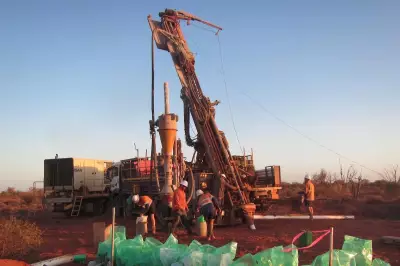
Western Australia, renowned for its rich mineral resources, is a major exporter of alumina, and Alcoa's operations there are a cornerstone of the region's mining economy. The current situation underscores the vulnerabilities in global trade routes, particularly for commodities that depend on maritime transport through politically sensitive areas. Alcoa has not yet released detailed statements on contingency plans, but industry analysts suggest that alternative shipping routes or temporary storage solutions might be considered to mitigate the impact.

Broader Implications for International Trade and Geopolitics
The Strait of Hormuz is one of the world's most crucial maritime passages, with approximately one-fifth of the global oil supply passing through it daily. While this deadlock specifically involves alumina shipments, it highlights broader geopolitical tensions that can affect a wide range of commodities. Regional conflicts, security concerns, or diplomatic standoffs in the area often lead to such disruptions, posing risks to businesses and economies worldwide.
For Alcoa and other mining companies, this incident serves as a stark reminder of the need for diversified supply chains and robust risk management strategies. The Abu Dhabi refinery, part of a growing industrial sector in the United Arab Emirates, may experience production slowdowns if the deadlock persists, affecting local employment and economic growth. Meanwhile, stakeholders in Western Australia are monitoring the situation closely, as prolonged disruptions could impact mining revenues and regional development.
In summary, the deadlock in the Strait of Hormuz is creating significant hurdles for Alcoa's alumina shipments from Western Australia to Abu Dhabi, with potential consequences for global aluminum production and trade stability. As the situation evolves, companies and governments will need to navigate these challenges to ensure the resilience of international supply networks.