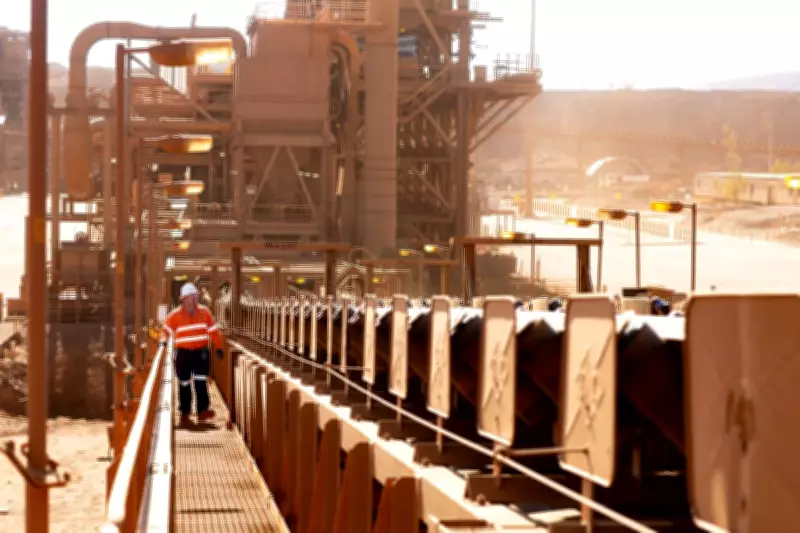
Electricians Vote to Strike at BHP's Pilbara Mines in 'Dangerous' Union Escalation
In a historic move that could ignite a broader union campaign, high-voltage workers at BHP's Pilbara iron ore mines have voted to go on strike for the first time this century. Approximately 60 employees across BHP's high-voltage network have taken this step, according to the Electrical Trades Union, threatening work stoppages lasting from 15 minutes to 48 hours unless demands are met.
Union Demands and Industry Backlash
The ETU has filed for a vote, demanding significant pay rises and a catalogue of extra allowances. These include a $20,000 annual allowance for nightshift work, $7,000 for hot weather conditions, and a $6,240 BHP contribution to private health insurance. Additionally, workers seek 200 per cent penalty rates for overtime and 300 per cent for public holiday work, which the Chamber of Minerals and Energy WA estimates could lead to salaries of around $400,000 per worker.
Chamber of Minerals and Energy WA chief executive Aaron Morey labelled the move a 'dangerous turn for the Pilbara', warning that industrial conflict hurts investment, workers, and Western Australian families. He argued that the ETU's claims are not grounded in reality, comparing proposed packages to the WA Premier's remuneration and citing past strikes in the 1970s and 1980s that damaged productivity and investment.

Broader Union Campaign and Political Context
This action is part of a larger union effort to regain a foothold in the Pilbara's iron ore mines after decades of dormancy. Unions have been emboldened by the Albanese Government's changes to industrial relations laws, particularly relaxed rules around 'right of entry' requests. Mining companies warn that such union activity threatens the long-term viability of the Pilbara as an investment jurisdiction, given its already high-paid blue-collar workforce.
Minerals Council of Australia chair Andrew Michelmore accused unions of a 'targeted campaign against BHP', stifling productivity in the nation's most important mining region. He noted that BHP sites in the Pilbara recorded nearly 900 right-of-entry requests in 2025 and 164 so far in 2026, averaging 2.4 per day, which risks undermining the region's productivity and reliability.
Negotiations and Future Steps
ETU WA secretary Adam Woodage stated that unions aim to be 'a force for peace in the Pilbara' but accused BHP of dragging its feet on negotiations for a year. He described the vote as a result of BHP's hubris, emphasizing that while strike action is not preferred, it is necessary when other options fail. The ETU must provide BHP with five days' advanced notice before commencing industrial action.
BHP has responded by saying it has 'strong contingency plans in place' to continue operations during potential disruptions. A company spokeswoman highlighted ongoing negotiations for a new enterprise agreement, focusing on maintaining industry-leading pay and conditions while supporting safe and productive operations.