Fuel Price Surge Forces WA Miners to Halt Exploration, Survey Reveals
A recent survey conducted by the Association of Mining and Exploration Companies has uncovered that a significant number of West Australian mining companies are being compelled to suspend their exploration activities due to skyrocketing fuel costs. The findings, released on Friday, highlight the severe challenges faced by junior miners as diesel and petrol prices continue to climb.
Survey Details and Key Findings
The rolling survey gathered responses from 27 mining companies primarily focused on operations in Western Australia. More than half of these companies reported taking proactive measures to reduce their fuel consumption. This is despite the majority expressing confidence in their ability to secure fuel supplies beyond the month of May.
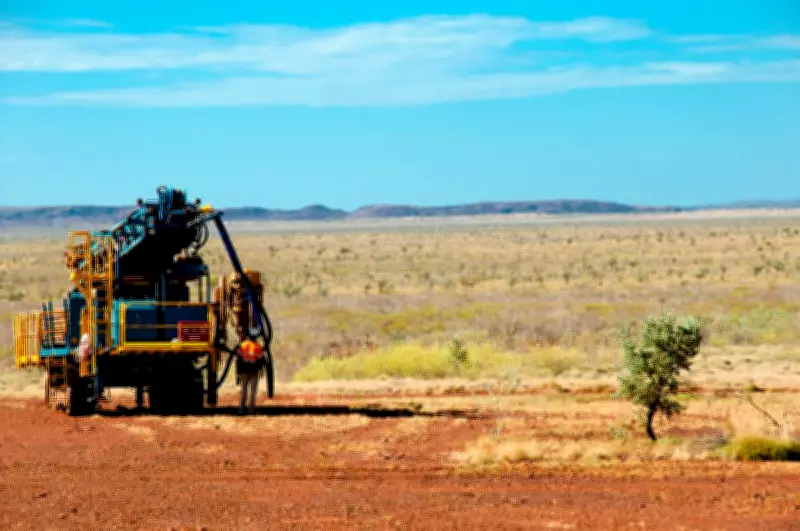
Actions being implemented to curb fuel usage include encouraging the use of lighter vehicles, selecting clients with existing fuel reserves, reducing corporate travel, and postponing expansion or exploration campaigns. Alarmingly, about one-third of respondents indicated that rising diesel and petrol costs have directly led to the cancellation or delay of drilling programs.

Fuel Reserves and Sector Impact
When it comes to fuel reserves, more than two-thirds of the surveyed companies disclosed that they maintain some level of stockpile. These reserves vary widely, ranging from as little as one to two days up to six weeks of supply. Warren Pearce, the chief executive of AMEC, emphasized the broader sectoral impact in a statement to The West Australian.
"Mining companies are expressing confidence in being able to meet their near-term fuel needs, but the 200 per cent increase in fuel price is starting to have impacts right across the sector," Pearce said. "What members are telling us is that price impacts are particularly affecting exploration and drilling programs, with many being wound back, delayed or cancelled."
Government Response and Diverging Views
Pearce acknowledged the efforts of authorities, noting, "The WA Government has done a good job of managing distribution, and so far, the Commonwealth has been able to keep fuel supply coming. Right now, it’s price, not supply, that is creating challenges." However, confidence in fuel security appears to be diverging between state and federal levels.
When questioned about the fragility of Western Australia's fuel supplies and the potential escalation of national emergency measures, Premier Roger Cook stated on Thursday that he had "no confidence we won’t go to level three." This level would likely involve targeted fuel rationing, moving beyond the current voluntary measures.
In contrast, Prime Minister Anthony Albanese ruled out an increase to level three on Thursday, following a blaze at Viva Energy's refinery in Geelong. This incident has heightened concerns, as the refinery is one of only two major oil refineries remaining in Australia.
Vulnerability of Smaller Mining Companies
AMEC's membership primarily consists of smaller mining companies, which are particularly vulnerable to fuel shortages. In emergency situations, farmers are often prioritized for fuel supplies, while industry giants like BHP and Rio Tinto maintain substantial stockpiles. This disparity places additional pressure on junior miners, who are already grappling with the financial strain of elevated fuel prices.
The survey results underscore a critical juncture for the West Australian mining sector, where economic viability is increasingly threatened by external cost pressures. As companies adapt their strategies to mitigate fuel expenses, the long-term implications for exploration and growth remain uncertain.