Fuel Shortages Begin Impacting WA Iron Ore Operations as Fenix Resources Adjusts Strategy
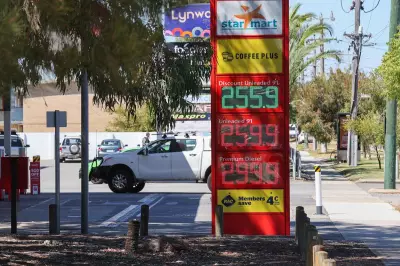
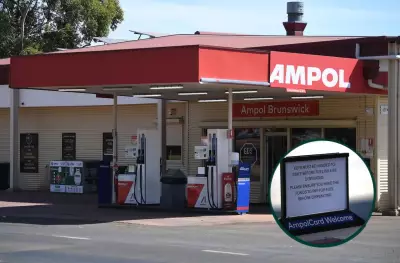
Mid West iron ore miner Fenix Resources has issued a stark warning that a lack of fuel supply is starting to affect its operations, with the situation worsened by the approach of tropical cyclone Narelle. This marks the first admission from a miner within Western Australia's crucial iron ore system that fuel is becoming scarce, driven by an oil and gas shock triggered by bombing in the Middle East.
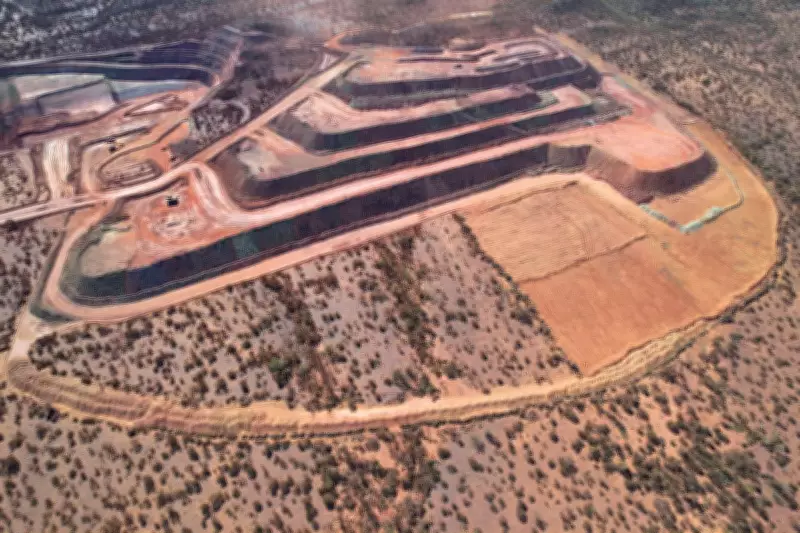
Shipping activities from Geraldton Port have been suspended as cyclone Narelle bears down on the WA coast. In response, Fenix plans to dip into its existing ore stockpiles instead of conducting new mining operations once the cyclonic weather passes, aiming to conserve diesel supplies.
Company Response and Operational Adjustments
The company anticipates disruptions from both cyclone Narelle and fuel supply shortages from its contracted diesel suppliers. To mitigate these challenges, Fenix is scaling back non-essential activities at its mining and haulage operations.

Subject to the potential impacts of cyclone Narelle, Fenix expects to maintain sufficient fuel supplies to continue processing and hauling iron ore to Geraldton Port, thanks to healthy stockpiles available at its mines.
Financial Hedging and Guidance Outlook
On Tuesday, Fenix announced that for the next financial year, it has hedged 18 million litres of diesel, representing approximately 30 percent of its expected diesel fuel, at prices between $US0.69 per litre and $US0.79 per litre. Led by John Welborn, the company is now focused on navigating the current financial year and believes it can still achieve its guidance targets.
Despite the disruptions, Fenix considers its FY2026 guidance of total iron ore sales ranging from 4.2 million tonnes to 4.8 million tonnes at a C1 cash cost between $70 and $80 per wet metric tonne free on board at Geraldton Port remains appropriate. This outlook is based on expectations that Geraldton Port will reopen in early April and diesel fuel supply will return to normal levels.
Industry Context and Broader Implications
Industry insiders note that WA's major iron ore giants, including BHP, Fortescue, and Rio Tinto, have built up substantial diesel stores that could sustain their mining operations for several months if fuel imports halt. However, a significant vulnerability for these companies is transporting workers to sites, as the majority of Pilbara iron ore workers rely on fly-in, fly-out arrangements.
Airlines globally are beginning to cut flights amid the fuel crunch, and some regional flights in WA have been cancelled due to cyclone Narelle. The cyclone appears to have missed the key iron ore port of Port Hedland but is rapidly intensifying off the North West coast. It is expected to make landfall near Exmouth on Friday and then track southward through the Mid West region.
This situation highlights the interconnected challenges of fuel supply, weather events, and operational logistics in WA's vital iron ore industry, with Fenix Resources taking proactive steps to manage risks and maintain productivity during this critical period.