Mining Giants Persist with Operations as Cyclone Narelle Approaches
In a testament to the resilience of Australia's mining sector, industry leaders including BHP, Fortescue Metals Group (FMG), Mineral Resources (MinRes), and Rio Tinto have confirmed the continuation of their mining activities despite the looming threat of severe weather conditions brought by Cyclone Narelle. This decision underscores the robust safety measures and operational protocols in place to mitigate risks associated with extreme weather events.
Cyclone Narelle's Impact on Mining Regions
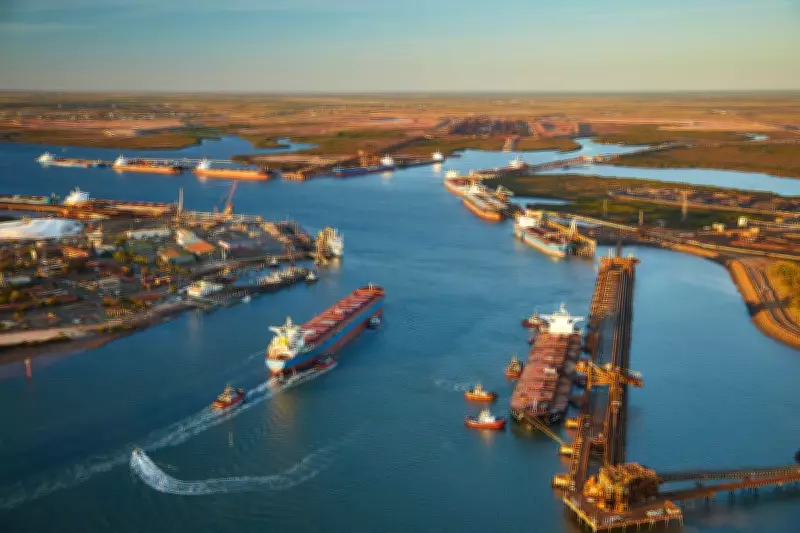
Cyclone Narelle, a powerful weather system, is expected to bring vicious conditions, including heavy rainfall, strong winds, and potential flooding, to key mining regions in Western Australia. These areas are critical hubs for iron ore and other mineral extraction, with operations often situated in remote and exposed locations. The cyclone's approach has raised concerns about disruptions to supply chains, worker safety, and production timelines.
However, the major mining companies have proactively implemented contingency plans. These include enhanced monitoring of weather forecasts, securing equipment, and adjusting work schedules to ensure minimal impact. For instance, BHP has activated its cyclone response procedures, which involve regular updates to staff and stakeholders, while Rio Tinto is closely coordinating with local authorities to manage any emergency situations.

Safety Protocols and Industry Resilience
The decision to keep mining operations running highlights the industry's commitment to safety and efficiency. Fortescue Metals Group emphasized that its sites are designed to withstand extreme weather, with infrastructure built to high standards to protect both personnel and assets. Similarly, Mineral Resources has deployed additional resources to monitor conditions and provide real-time updates to its teams.
Key safety measures being employed across these companies include:
- Evacuation plans for non-essential personnel if conditions deteriorate.
- Secure storage of hazardous materials to prevent environmental spills.
- Regular communication with employees and local communities about potential risks.
This proactive approach not only safeguards workers but also helps maintain Australia's position as a leading global supplier of minerals, contributing significantly to the national economy.
Economic Implications and Future Outlook
The persistence of mining operations amid Cyclone Narelle's threat is crucial for the Australian economy, as the mining sector accounts for a substantial portion of export revenue and employment. Any prolonged shutdown could have ripple effects on global markets, particularly for iron ore, where Australia is a dominant player.
Looking ahead, companies are investing in advanced technologies, such as predictive weather modeling and automated systems, to better prepare for future climate-related challenges. This incident serves as a reminder of the importance of adapting to changing environmental conditions while sustaining productivity.
In summary, BHP, FMG, MinRes, and Rio Tinto's continued mining efforts during Cyclone Narelle demonstrate a balanced focus on safety, operational continuity, and economic stability, setting a precedent for the industry in managing extreme weather events.