Western Mines Group Ramps Up Nickel Exploration in Western Australia
Western Mines Group has unveiled ambitious plans for a phase five exploration campaign at its Mulga Tank nickel project, located in the Eastern Goldfields region of Western Australia. This strategic move is designed to extract additional tonnes and enhance the grade of what is already recognised as Australia's largest nickel sulphide resource.
Comprehensive Drilling Strategy Unveiled
The company has outlined a robust drilling program comprising 32 holes, totalling 10,000 metres of combined reverse circulation and diamond drilling. This initiative is scheduled to commence immediately following the completion of the final holes from the previous phase four campaign.
In a dual-pronged approach, reverse circulation rigs will be deployed to infill the resource, solidifying broad and shallow nickel sulphide deposits. Concurrently, deeper diamond tail drilling will probe for higher-grade massive sulphides, which are anticipated to be concealed within the deeper basal levels of the ultramafic complex.

Targeting High-Grade Zones and Expansion
A significant portion of the drilling efforts will concentrate on previously identified high-grade zones within the main body of the ultramafic complex. Earlier exploration in these areas yielded impressive nickel grades ranging from one to two per cent.
Additionally, seven reverse circulation holes will target shallow disseminated nickel sulphides, while six more are planned to expand the existing open-pittable material at Mulga Tank. The exploration strategy also includes five reverse circulation holes aimed at new areas up-dip from richer basal zones, potentially containing mineralisation exceeding 0.4 per cent nickel.
Leveraging Geological Similarities and Government Support
The Mulga Tank ultramafic complex exhibits strong geological similarities to the world-renowned Kambalda-style ultramafic rocks, known for hosting rich massive nickel sulphide deposits that have underpinned Western Australia's nickel mining industry since the 1960s.
Supported partially by the State Government's exploration incentive scheme, a single diamond hole will target the depths of the complex, specifically searching for Kambalda-style massive magmatic nickel sulphides on its western margin.
Recent Surveys and Historical Success
Recent electromagnetic surveys have identified promising targets along the 1.5-kilometre-long ultramafic body known as the Panhandle, which runs adjacent to the Mulga Tank complex and may serve as a feeder channel for the main body.
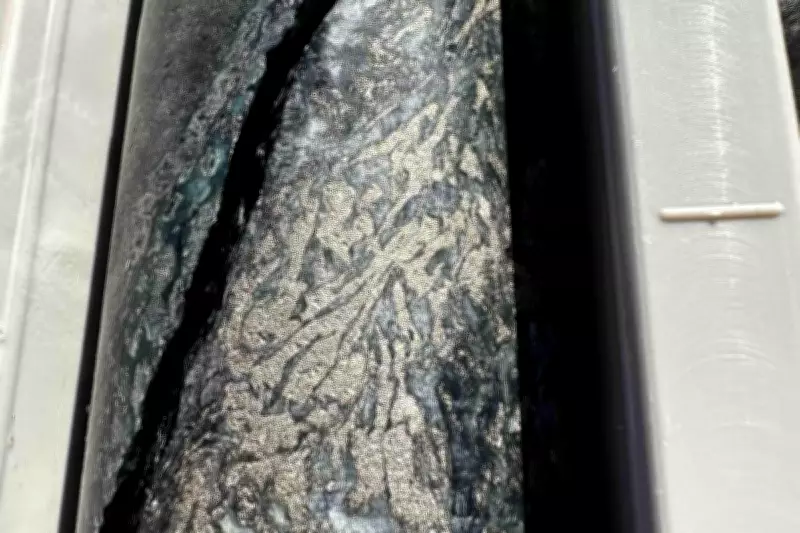
Since 2024, Western Mines Group has methodically drilled the main body of the Mulga Tank Ultramafic Complex, completing four phases of reverse circulation drilling with 71 holes. Geochemical assays from 59 of these holes have intersected widespread, shallow, open-pittable disseminated nickel sulphide mineralisation.
Resource Milestones and Market Context
In 2025, the company announced a maiden resource estimate of 1.97 billion tonnes grading 0.27 per cent nickel, along with significant cobalt, copper, and platinum group elements. This translates to approximately 5.3 million tonnes of contained nickel, solidifying Mulga Tank's position as a major global nickel sulphide deposit.
Recent drilling results included a 466-metre continuous run of nickel sulphide mineralisation, grading 0.32 per cent nickel, highlighting the project's extensive potential. Nickel prices have been trending higher recently, with concerns over supply constraints from Indonesia, the world's largest producer, contributing to market volatility.
Future Prospects and Strategic Goals
Dr Caedmon Marriott, Managing Director of Western Mines Group, emphasised the focus on hunting for higher-grade zones and optimising open-pit mine plans. The phase five program aims to transition Mulga Tank from a story of sheer scale to one of grade enhancement and development potential.
If successful, this drilling could thicken high-grade sweet spots, extend shallow tonnes, and confirm deeper massive sulphide potential, positioning the Mulga Tank system as a potential cornerstone for Australia's next chapter in nickel mining.